One sitting
Eleven songs in about twenty-eight minutes
The whole album runs roughly 28 minutes — a side of about fifteen minutes and a side of about thirteen — so it can be heard entire in the time of a single interval.
Twenty-eight minutes, one voice, one guitar — made in two late-night sessions with nobody else in the room. The quietest record ever to echo this loud.
Two nights in Chelsea, a voice and a guitar, and one piano line laid over the title track. Four reasons this is the record to hear whole — in the dark, in company.
The whole album runs roughly 28 minutes — a side of about fifteen minutes and a side of about thirteen — so it can be heard entire in the time of a single interval.
Drake is the only musician on the record; the sole addition to voice and acoustic guitar is his own piano part, overdubbed onto the title track.
John Wood recalled that several songs were captured in one take and none needed more than three, across two late-night sessions.
Wood expected to bring in the bassist Danny Thompson, but Drake told him he wanted no one else on the record — the spareness was a choice, not an accident.
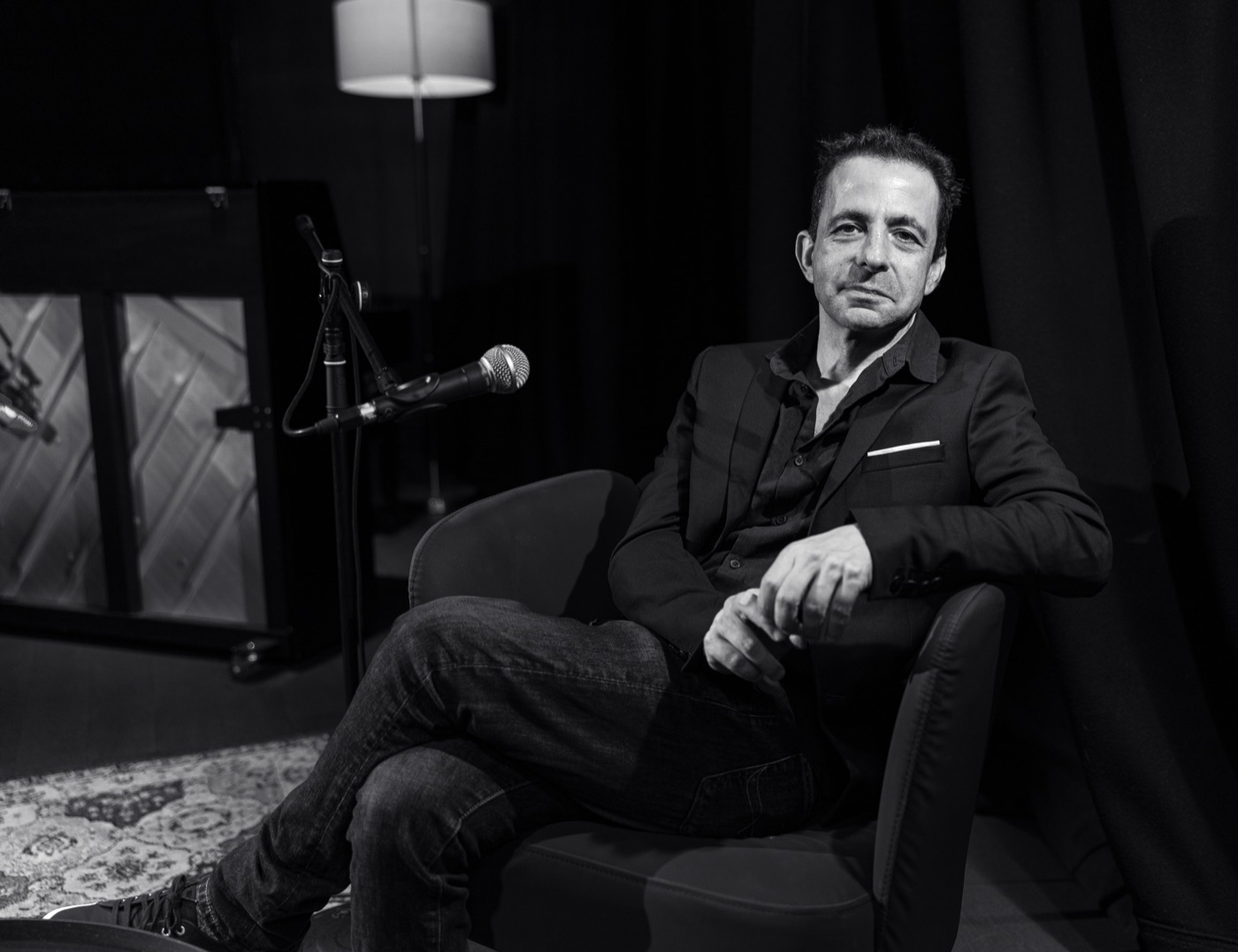
Jonathan Wingate spent years as the spokesman for David Bowie and Sir Bob Geldof before turning to journalism. He writes for The Times, the Daily Telegraph, Mojo and Rolling Stone, and has interviewed everyone from Sir Paul McCartney, Sir George Martin and Robert Plant to Björk, Smokey Robinson and Tony Bennett. A regular voice on BBC television and radio.
He opens every record up — then sits down with the rest of the room to hear it whole.
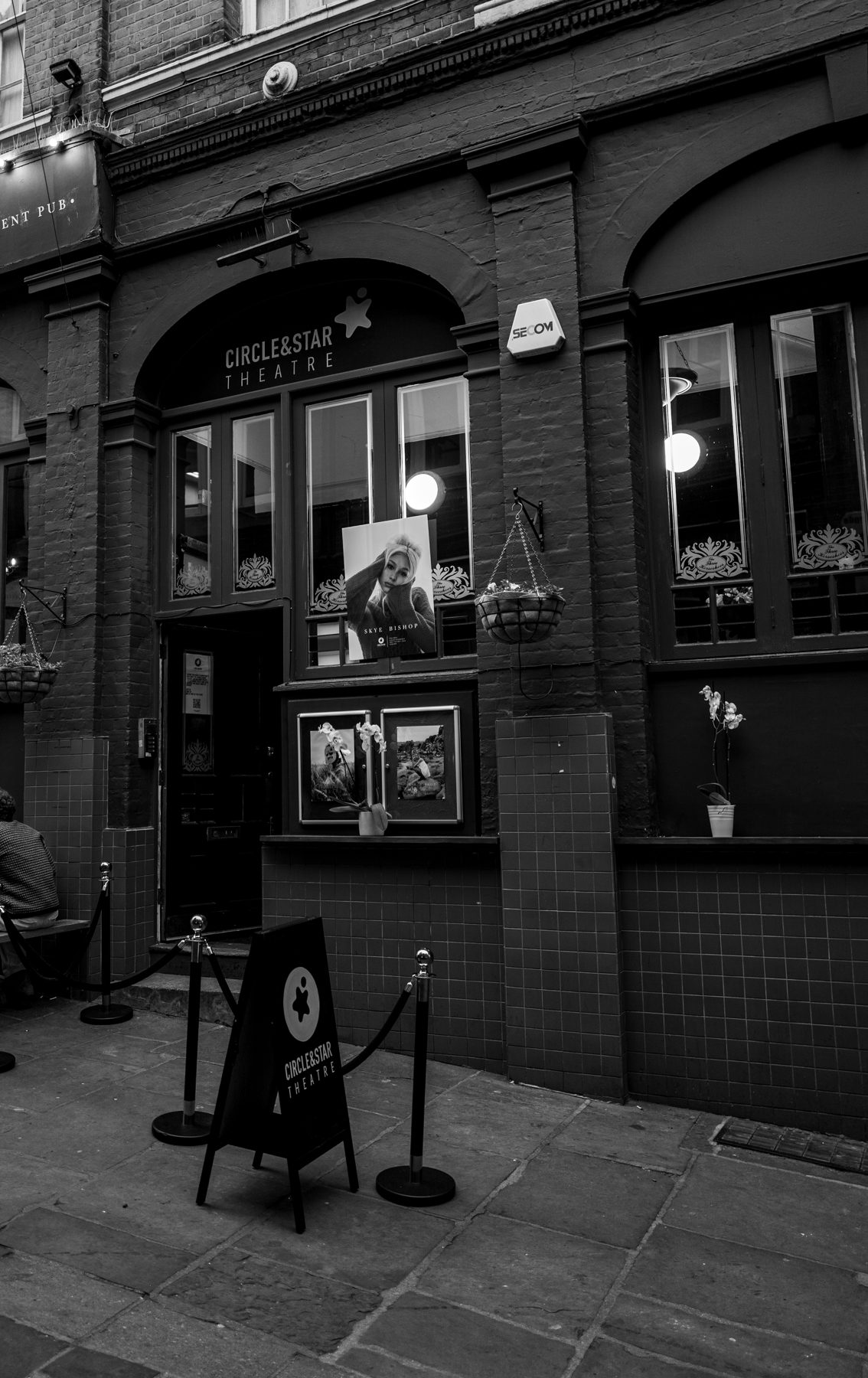
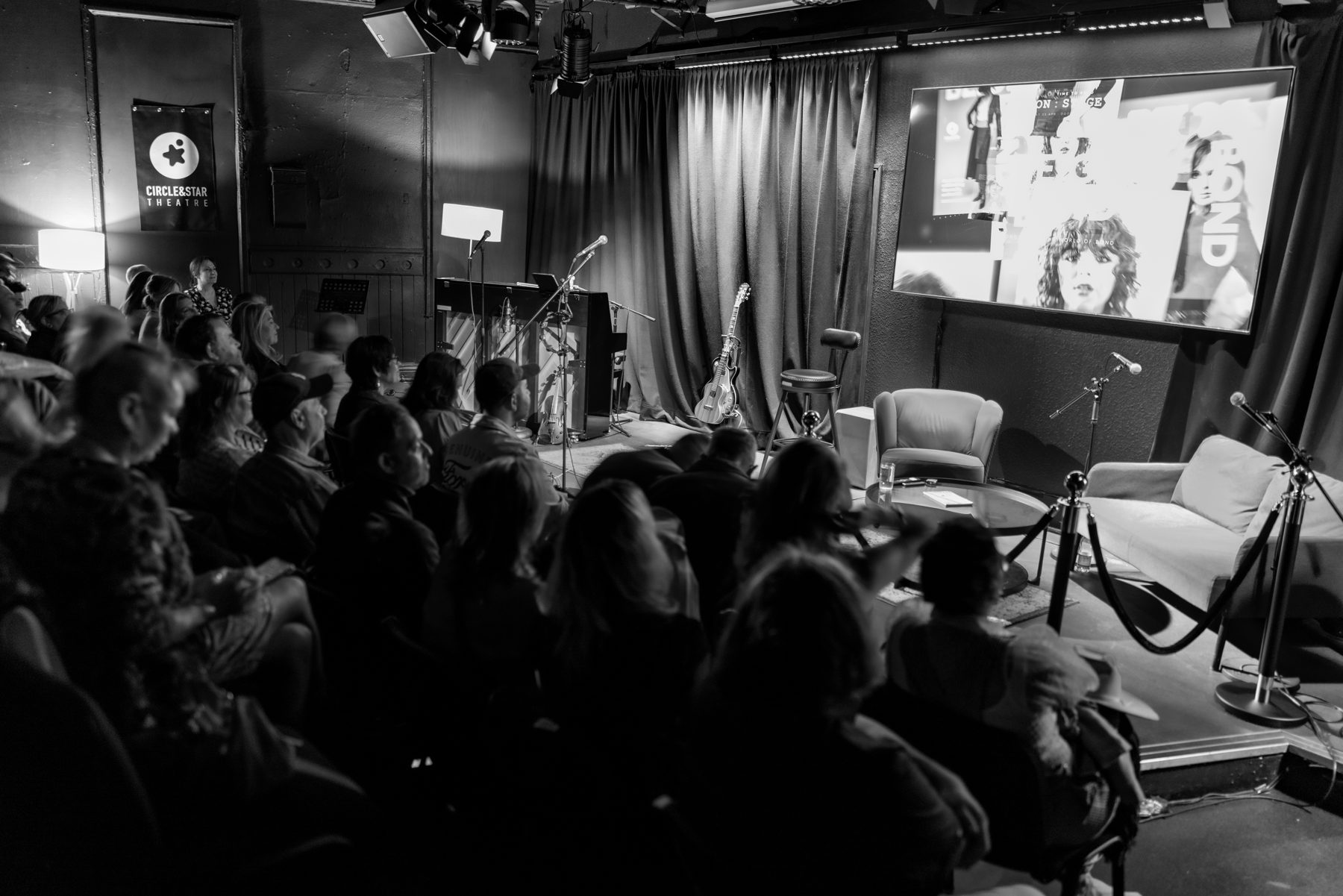
Fifty-five seats, a chair, a screen and the record, in a small theatre on Heath Street in Hampstead. The station is thirty seconds from the door.
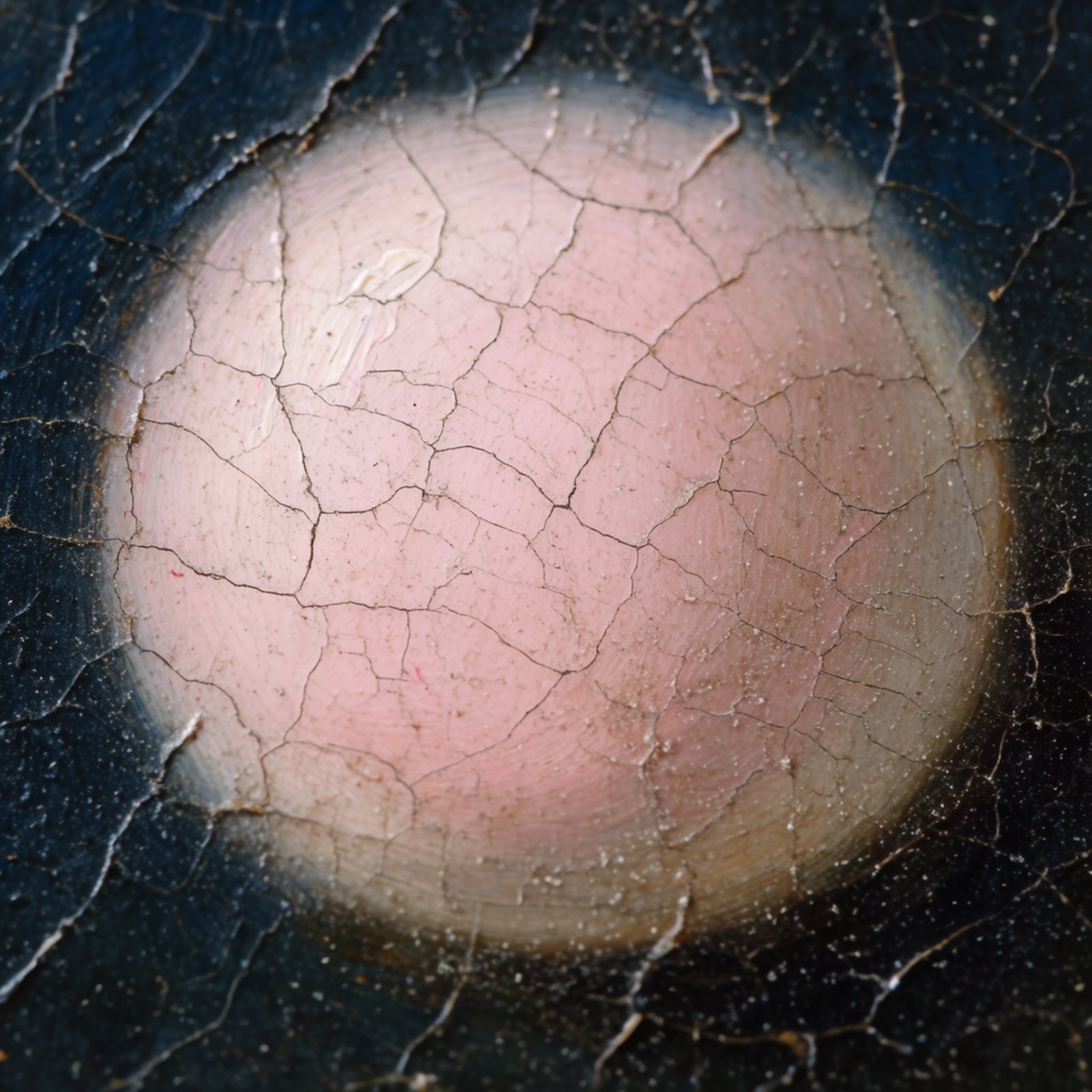
A short walk from this room. They never made the cover — a pink moon did.
Three albums in three years, almost no interviews, a handful of concerts. Nick Drake sold a few thousand records in his lifetime. The world found him after.
Nicholas Rodney Drake is born on 19 June 1948 in Rangoon, Burma, where his father was working as an engineer.
The family settles at Far Leys in Tanworth-in-Arden, Warwickshire, the house where his mother Molly wrote her own songs at the piano.
After six months in Aix-en-Provence he stays at his sister Gabrielle's flat in Hampstead, then matriculates at Fitzwilliam College, Cambridge, in October to read English.
His debut is released by Island in July, and on 24 September he plays the Royal Festival Hall on a bill with John and Beverley Martyn and Fairport Convention.
Leaving Cambridge before graduating, he moves into a flat on Haverstock Hill, Belsize Park — where Keith Morris photographed him — a short walk from Hampstead.
His second, more orchestrated album is released on 5 March 1971 and sells poorly.
He asks John Wood for a starker record, and on 30–31 October they make Pink Moon at Sound Techniques with no one else in the room.
Island issues the album on 25 February 1972; Drake gives no interviews and plays no concerts to support it.
He dies at his parents’ home in Tanworth-in-Arden on 25 November 1974, aged 26.
Island gathers the three albums and four unreleased songs into the Fruit Tree box set, keeping the catalogue alive.
Volkswagen's Cabrio commercial sets the title track to a moonlit drive, and US sales jump from about 6,000 a year to more than 74,000 in 2000.
Richard Morton Jack's biography, written with access to the family papers and his father's diary, is widely received as the definitive account.
Power cuts and Ziggy Stardust, Tutankhamun in Bloomsbury and the last steps on the Moon. The year Pink Moon came out, almost nobody noticed it.
The miners' strike brings a state of emergency on 9 February and rota power cuts of up to nine hours a day; the miners' ballot to accept the settlement fell on 25 February, the day Pink Moon came out.
John Berger's four-part BBC Two series on how we look at pictures begins on 8 January 1972 and changes how a generation reads images.
Neil Young's quiet, acoustic-leaning Harvest, released in February, tops the UK and US album charts — the hushed singer-songwriter record that did sell.
Big Star's debut is praised by critics but barely reaches the shops because of its distributor's troubles — another 1972 record rescued only later by devotees.
David Bowie's The Rise and Fall of Ziggy Stardust and the Spiders from Mars is released in the UK on 16 June 1972, a date the official Bowie archive corrected in 2015.
Andrei Tarkovsky's slow, interior science-fiction film takes the Grand Prix Spécial du Jury at Cannes.
The Treasures of Tutankhamun opens at the British Museum on 30 March and draws 1,694,117 visitors — the first blockbuster exhibition.
On 14 December 1972 Apollo 17's Gene Cernan becomes the last person to walk on the lunar surface, tracing his daughter's initials in the dust.
On the way to the Moon, the Apollo 17 crew photograph the whole Earth fully lit — one of the most reproduced images ever made.
Atari releases Pong on 29 November 1972, after a prototype in a Sunnyvale bar jammed because its coin box overflowed.
In Reykjavik, Bobby Fischer beats Boris Spassky 12½–8½ to become world chess champion on 1 September, ending 24 years of Soviet dominance.
After rejections from several publishers, Richard Adams's novel appears in November 1972 from the small London house Rex Collings, in a first printing of about 2,000 copies.
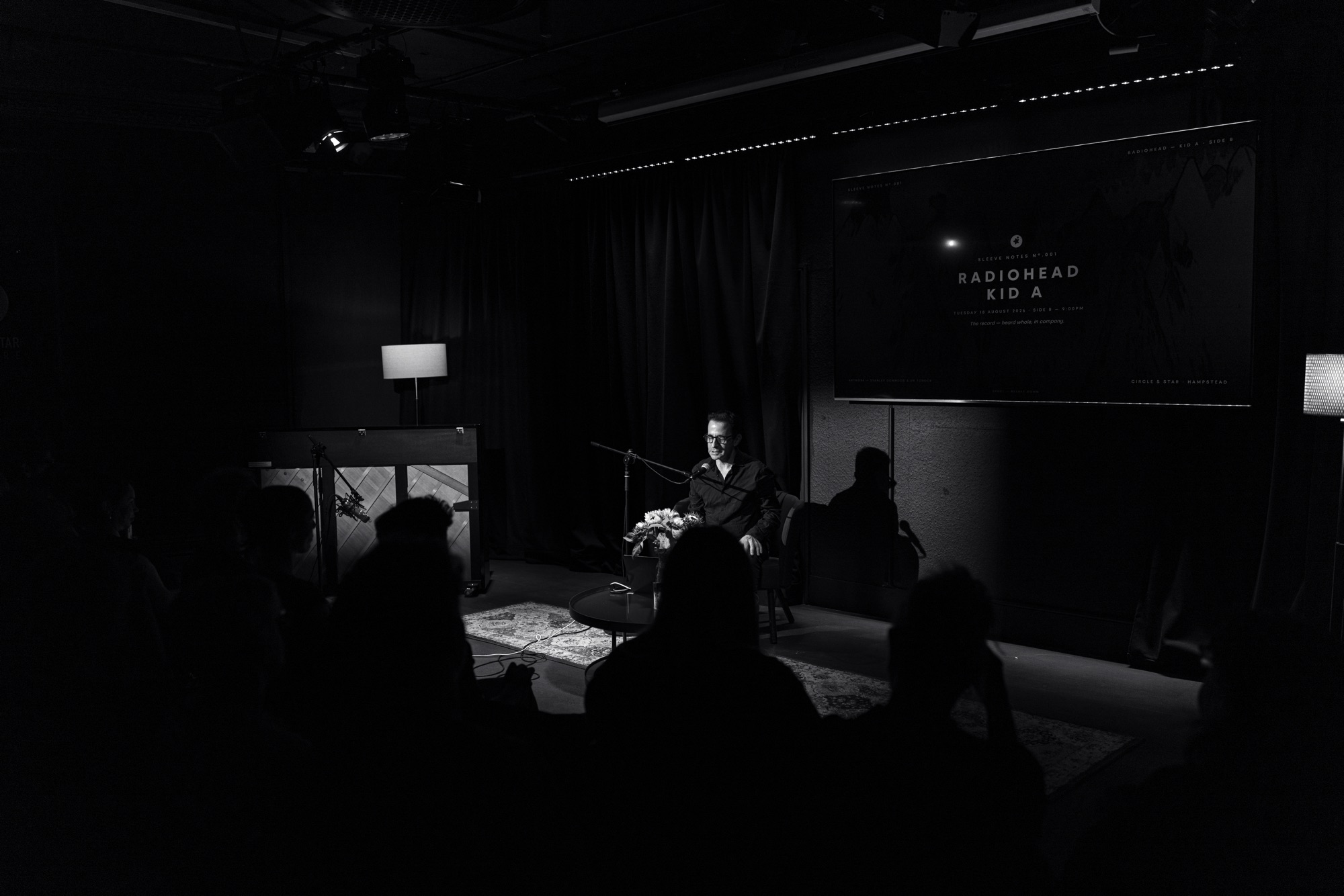
Sleevenotes Nº.001 · Kid A — the house, listening
Bryter Layter's ornate arrangements fail to sell; in his only full interview, in Sounds that month, Drake says he means to work next with John Wood, Sound Techniques' engineer.
Drake asks Wood for something bare: Wood would produce and Drake would be the only musician. Joe Boyd, his producer on the first two albums, had moved to Los Angeles.
The Chelsea studio is booked by day, so the sessions start around 11pm; half the songs are recorded each night, with Drake and Wood alone.
Wood recalled some songs going down in one take and none needing more than three; Parasite was among the first recorded.
Wood assumed Danny Thompson would add bass; Drake said the record was complete as it stood. The only overdub is his own piano on the title track.
Keith Morris photographs Drake on Hampstead Heath for the sleeve, in what proved to be his last photo session; the pictures were not used for the cover.
The legend has Drake leaving the master in a bag at Island's reception and slipping away unseen. In fact he brought it in person: Chris Blackwell recalled finding him downstairs holding a small tape reel, and press officer David Sandison recalled him upstairs before reception rang to say he had left his tapes.
Island's creative director Annie Sullivan, with little more than the title to go on, commissions a surrealist painting from Michael Trevithick for the cover.
Island runs full-page music-press ads, one admitting the label first heard of the album only when it was finished; reviews are mixed and the record sells fewer copies than its predecessors.
Featuring a unique, specially created visual journey via The Screens — developed especially for these nights.
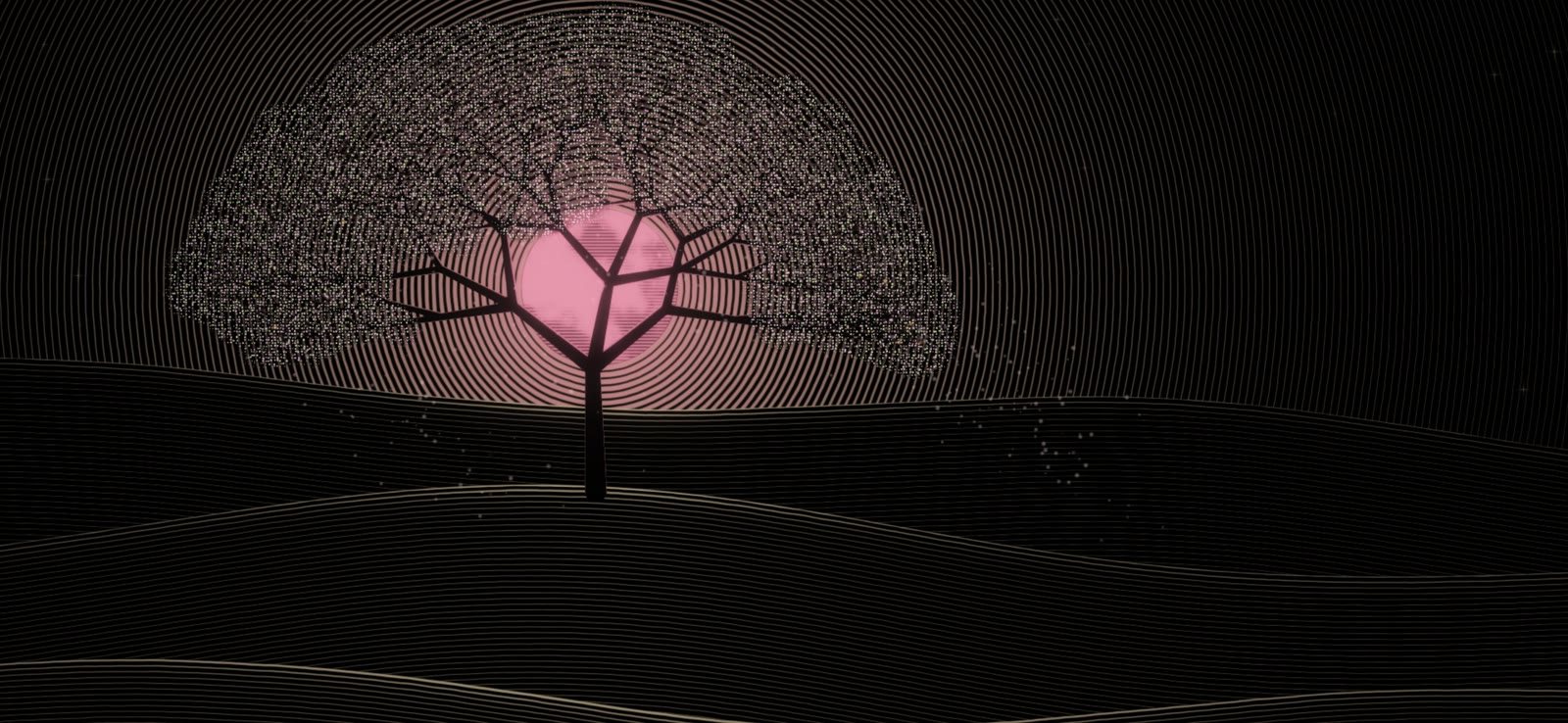
The screen for the night — The Shade: a sapling planted under a pink moon grows across the record; by From the Morning it is a great tree, the lights of the people who came after gathered beneath it.
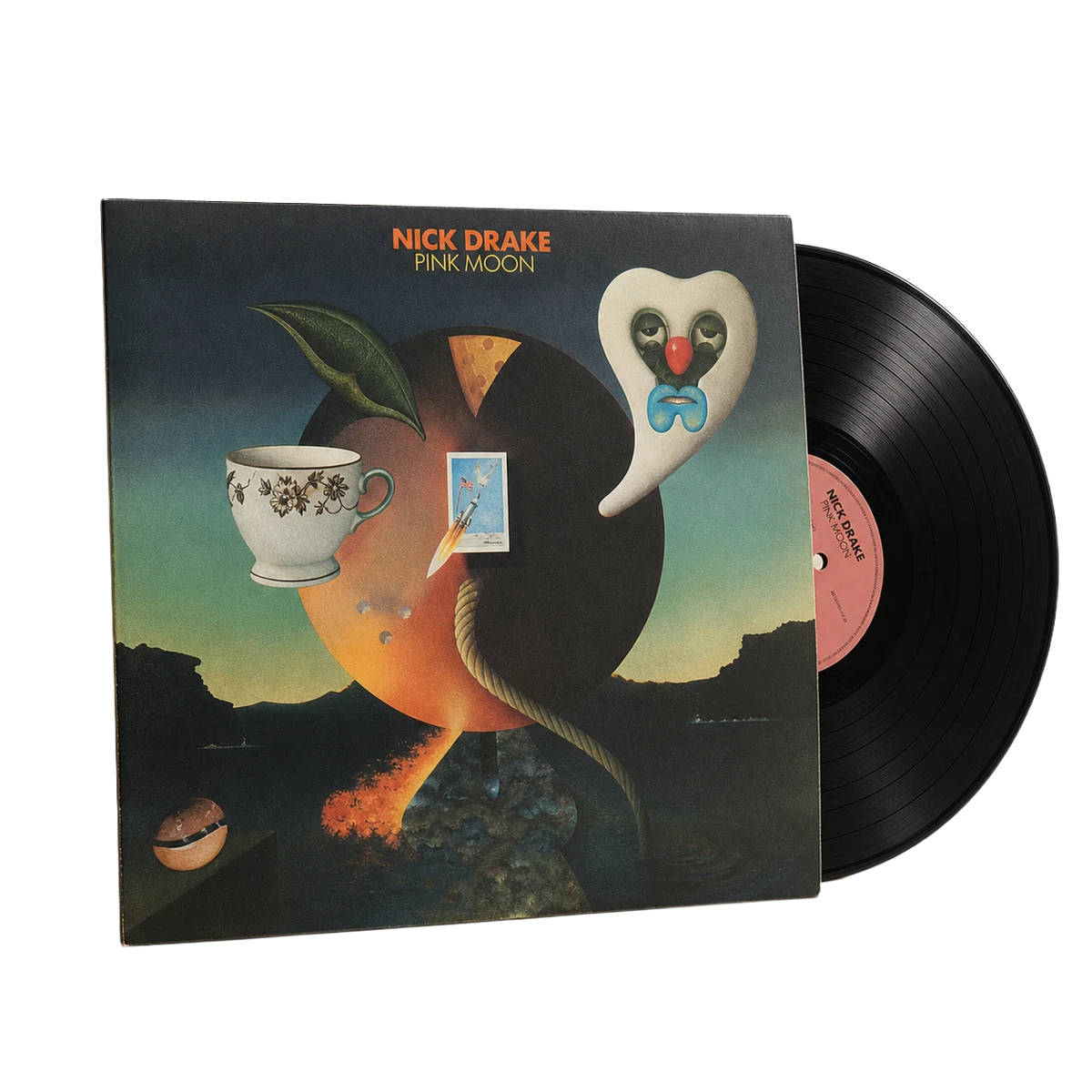
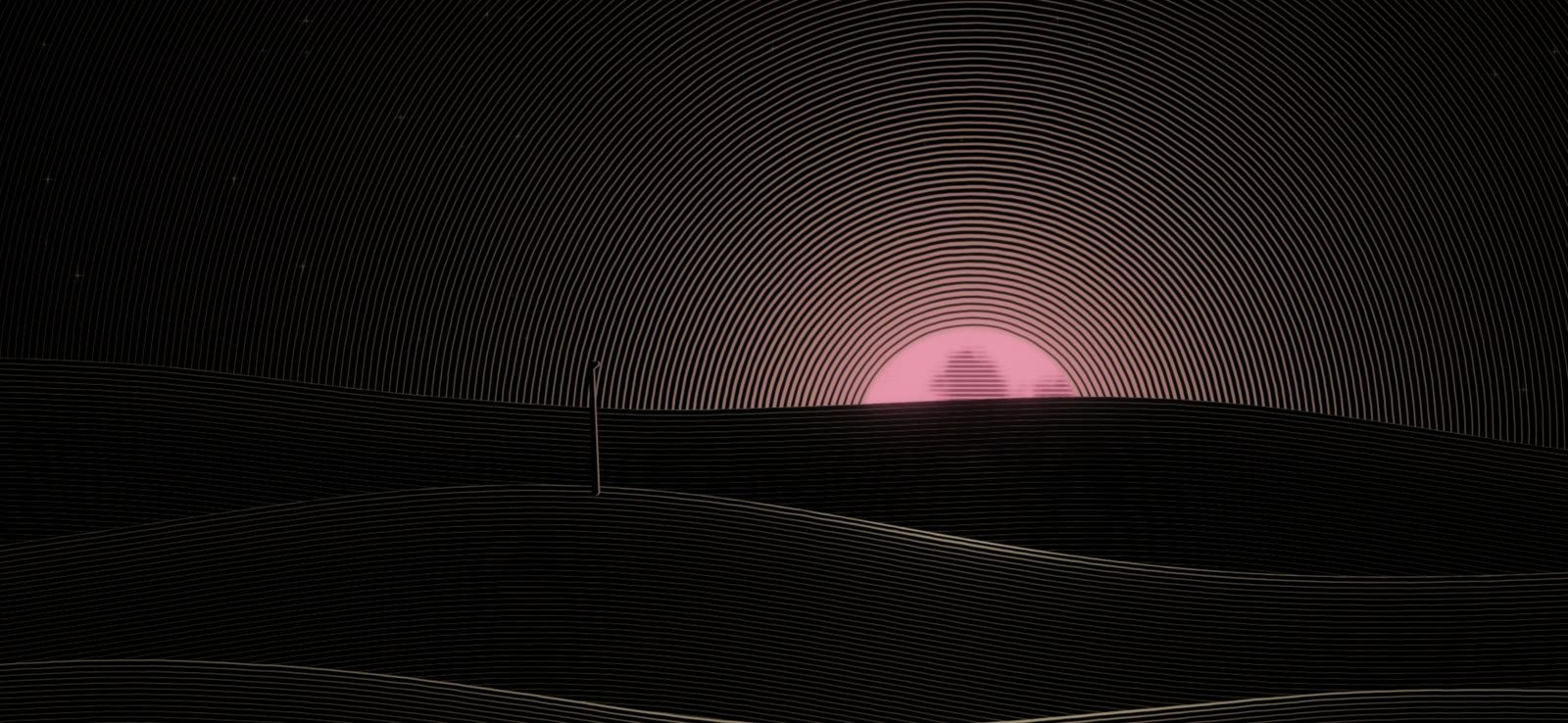
The album's only overdub — Drake's own piano line added over voice and guitar; in 1999 it scored Volkswagen's Milky Way Cabrio advert.
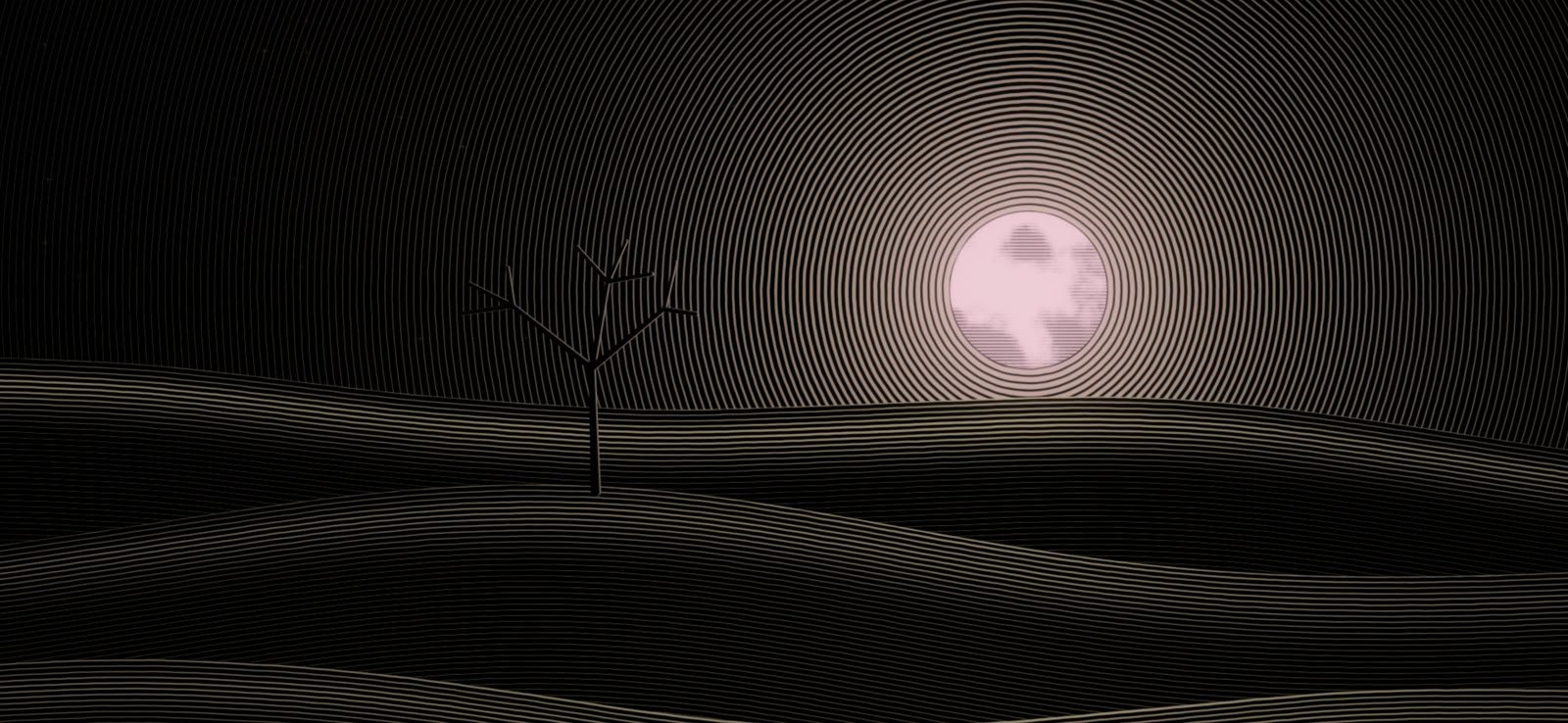
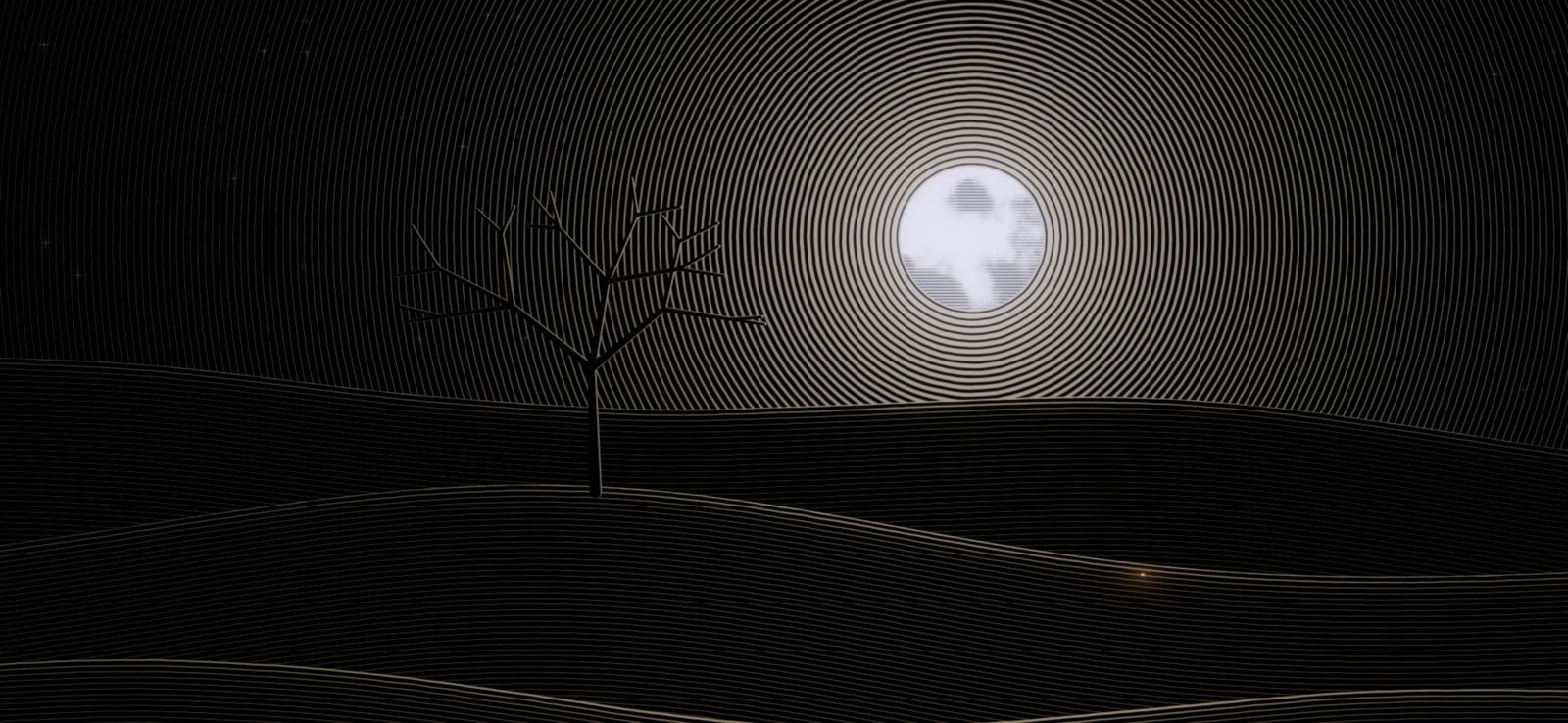
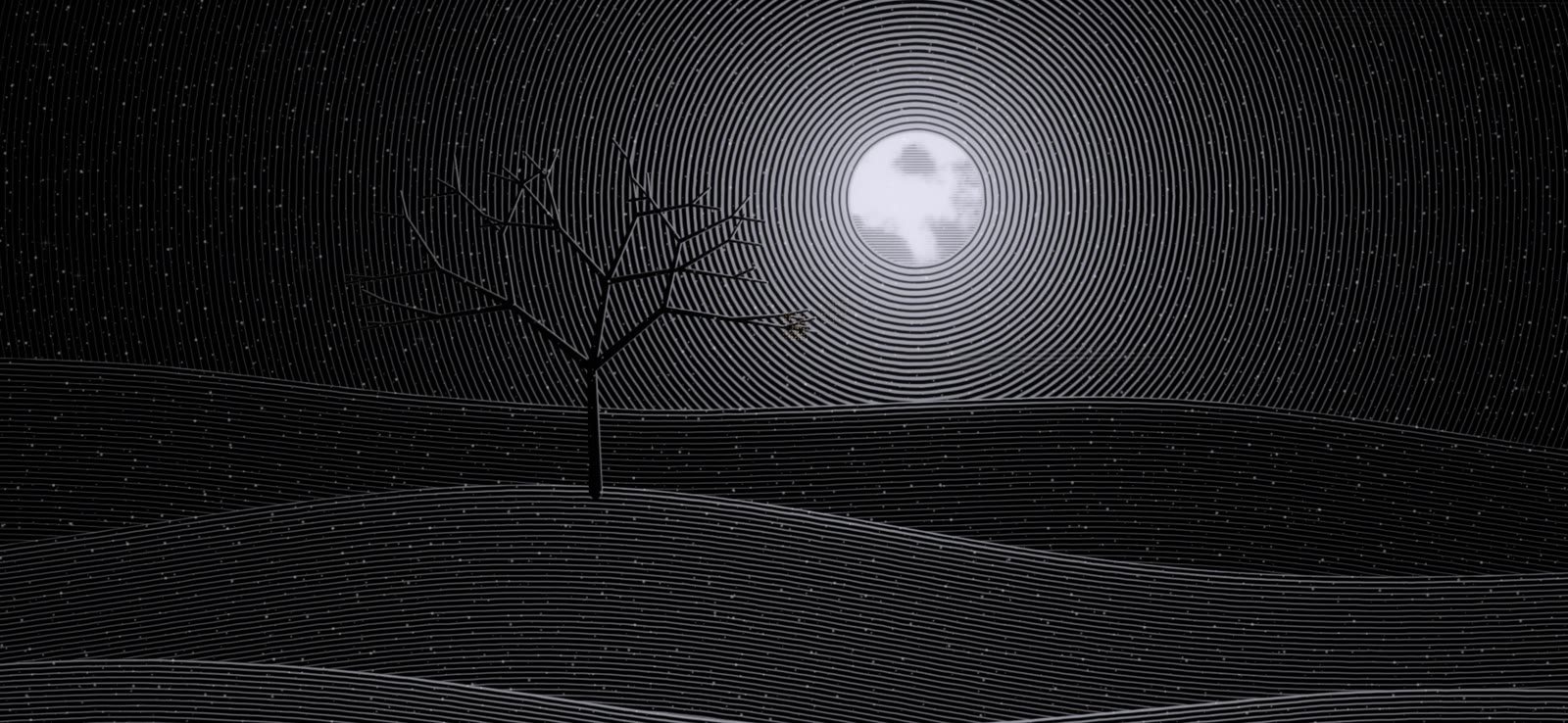
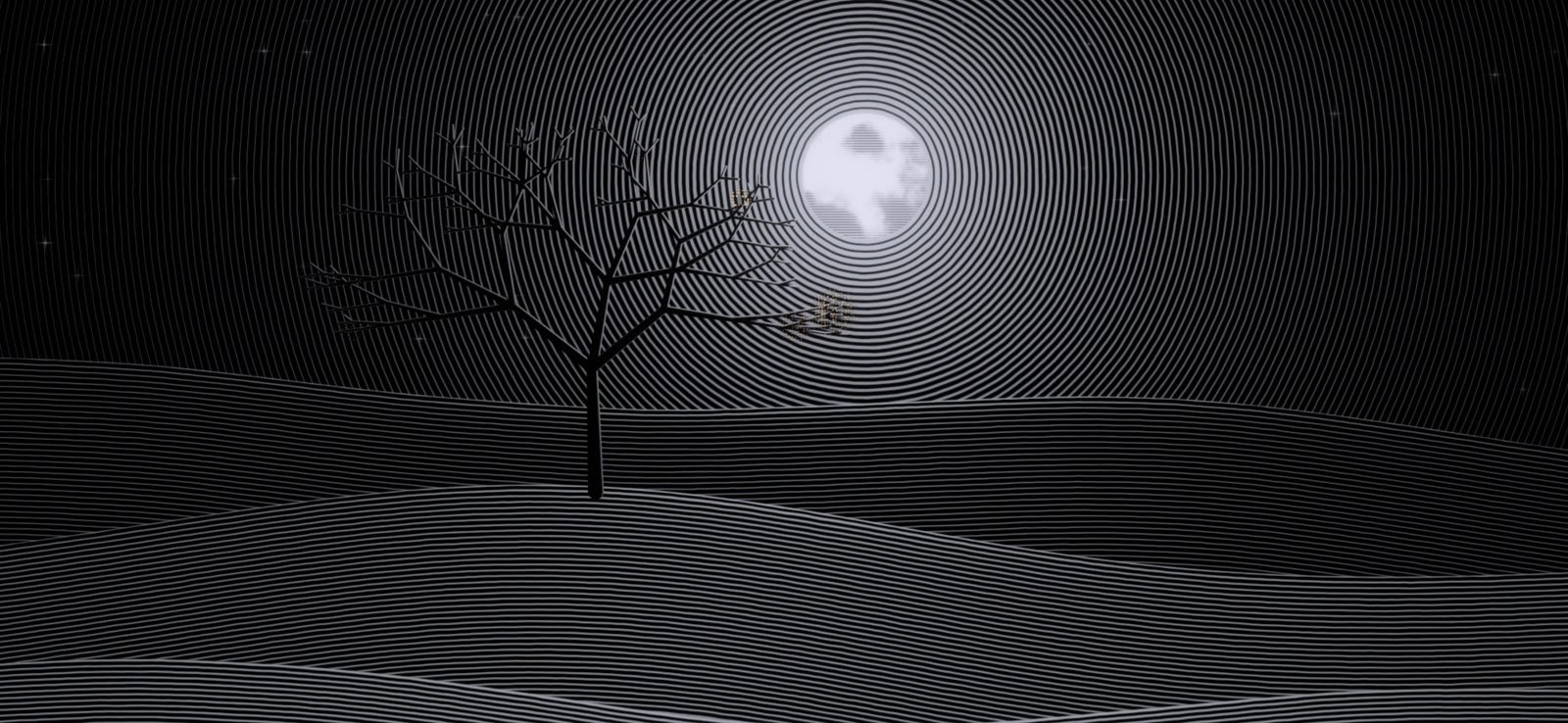
The album's only instrumental and its shortest track — a single guitar line, no voice.
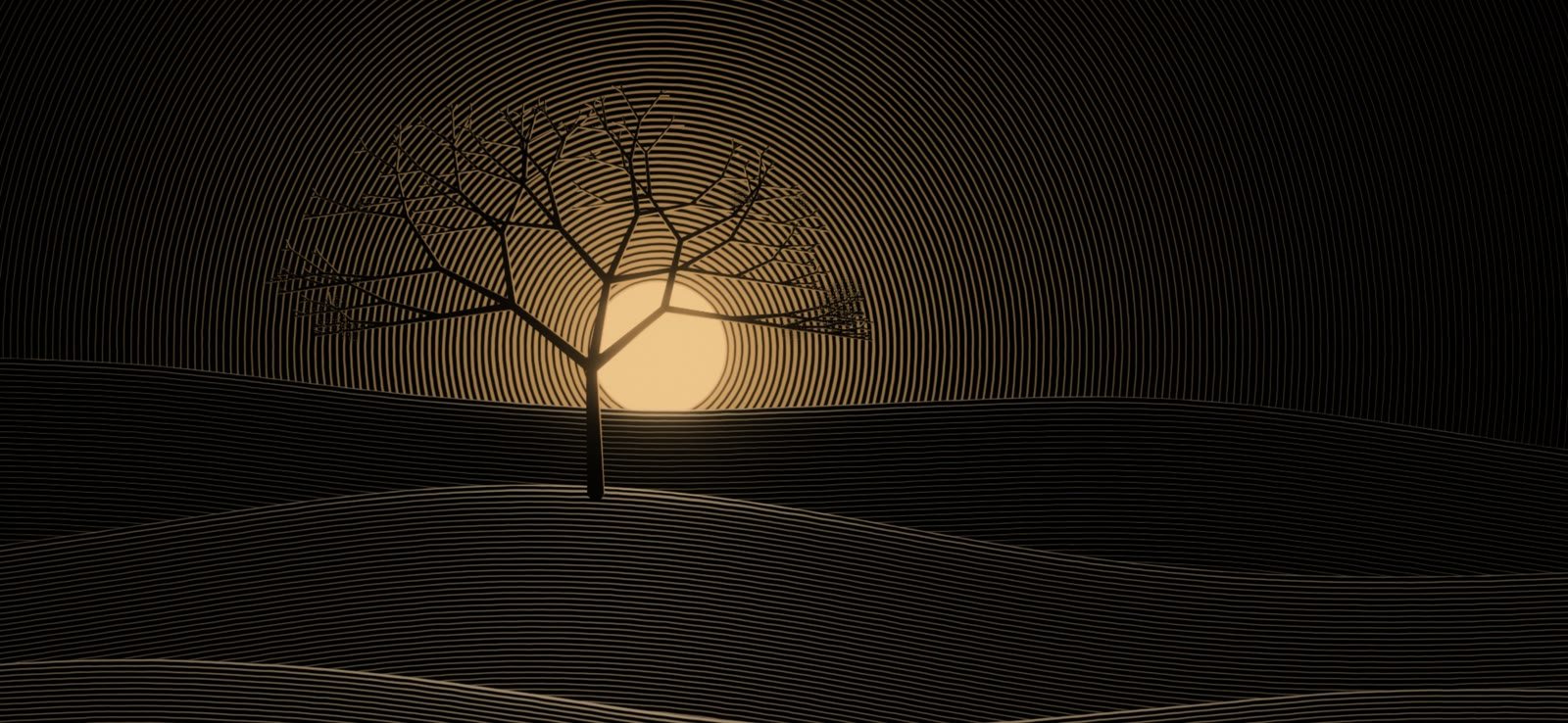
The longest song on the record, and an older one — already in his live set before Bryter Layter.
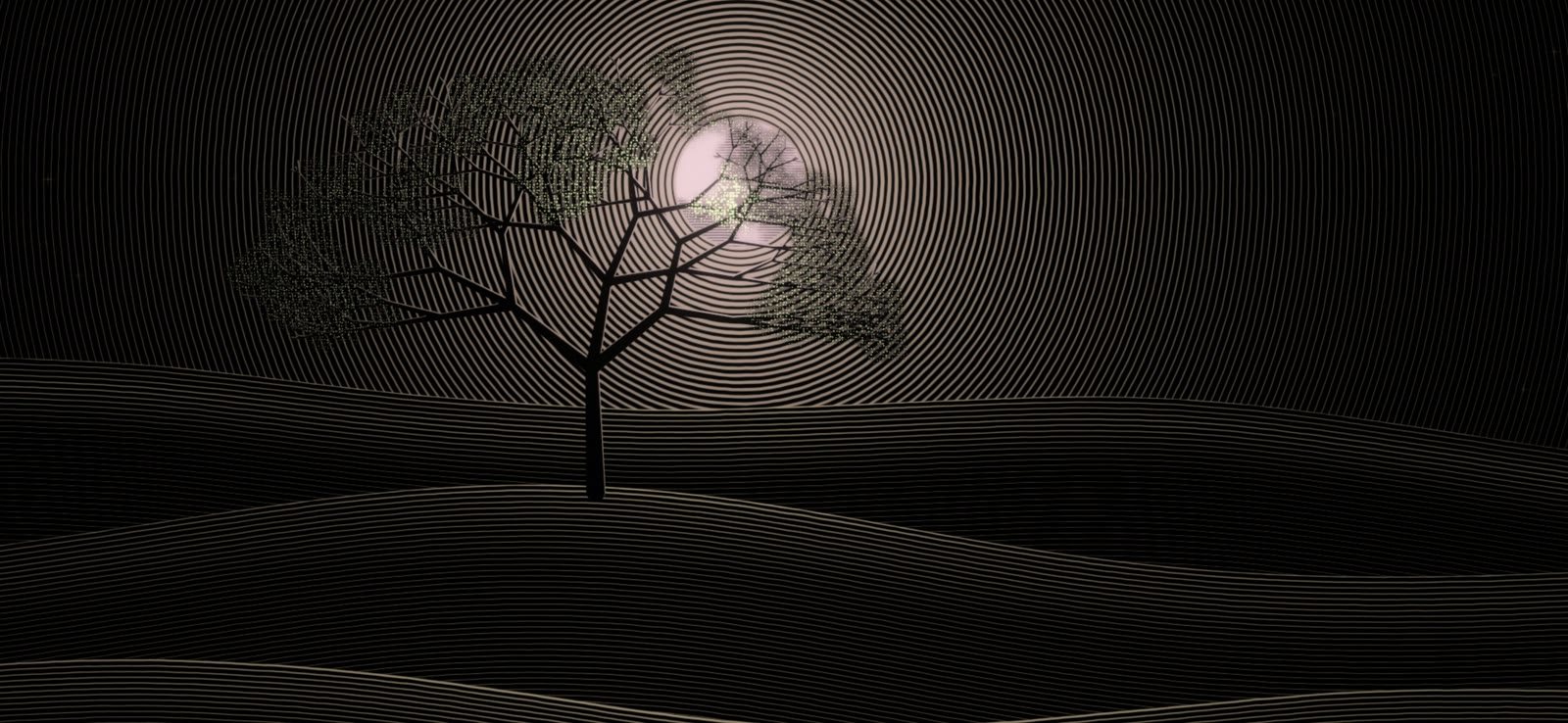
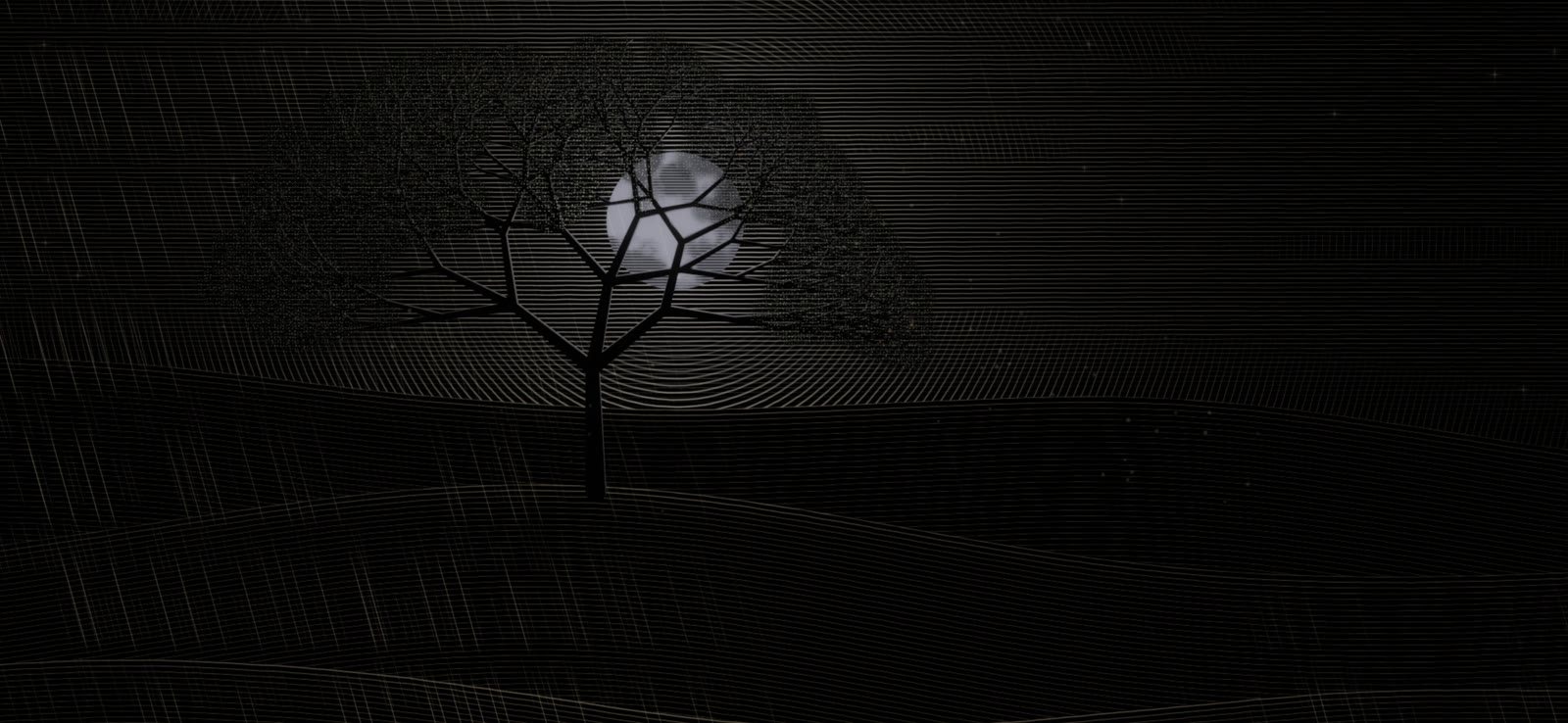
Among the first songs recorded at the sessions, per John Wood; it draws on a journey on the Northern Line, the Tube line that serves Hampstead.
Drake tuned his bottom string down to a low A for this song.
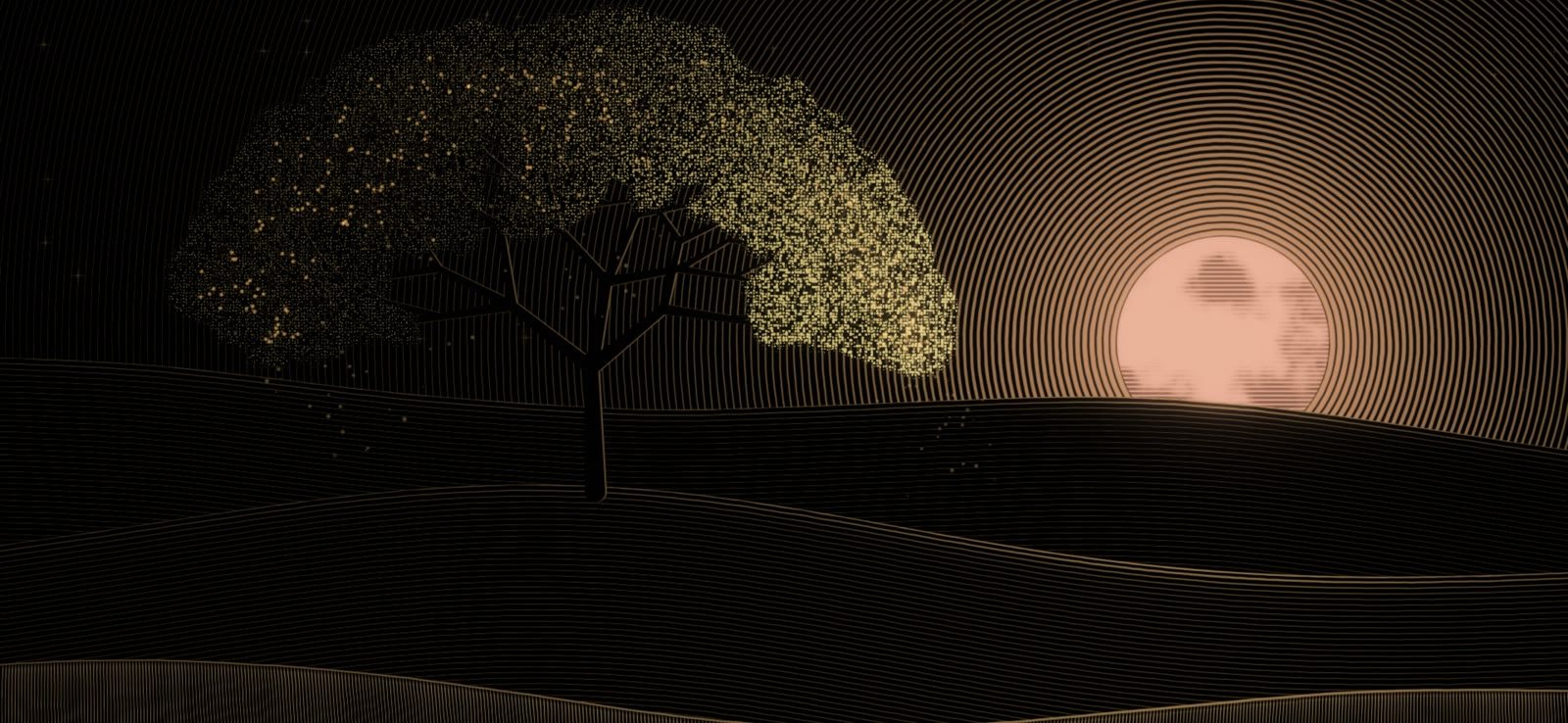
The shortest song with a vocal on the record.
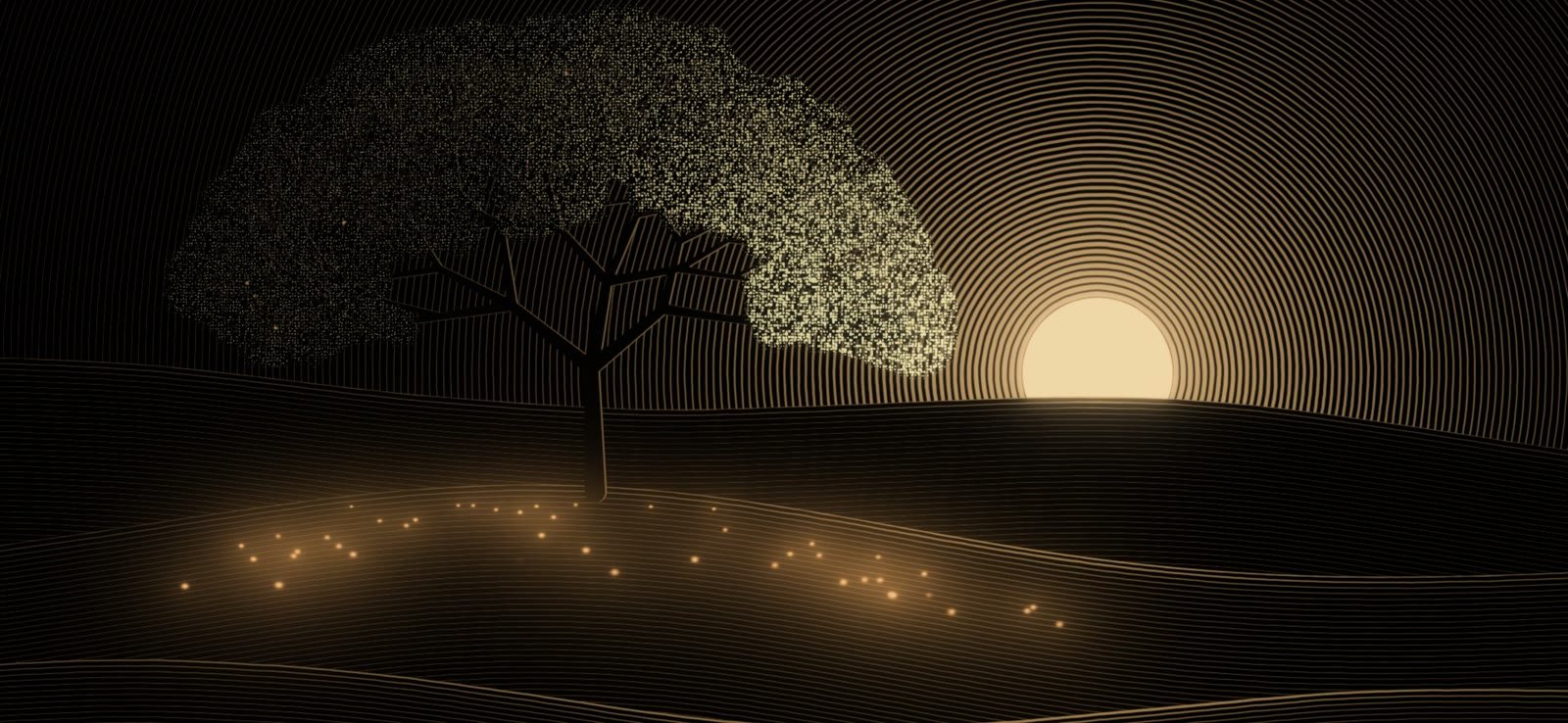
The closer; a line from it is carved as the epitaph on Drake's gravestone at St Mary Magdalene, Tanworth-in-Arden.
Keith Morris photographed Drake on Hampstead Heath in 1971 for Pink Moon, but the pictures did not make the cover.
Drake's London flat was on Haverstock Hill in Belsize Park, NW3 — the road that climbs on towards Rosslyn Hill and Heath Street.
When Joe Boyd sold his Witchseason company to Island, he wrote in a clause forbidding the label to delete Drake's records, convinced they would sell one day.
Volkswagen's Milky Way advert was first scripted around The Church's Under the Milky Way; Pink Moon was swapped in late in the process.
Gabrielle Drake had turned down many advertising requests before agreeing to Volkswagen's, because the scene felt like one where people really would listen to her brother.
Island's creative director Annie Sullivan recalled that Drake could not say what he wanted on the sleeve beyond a pink moon.
Island press officer David Sandison later found Trevithick's framed original painting in the company's basement and sent it on to the Drake family.
After Volkswagen's Milky Way Cabrio advert, US sales of Pink Moon climbed from about 6,000 a year to more than 74,000 in 2000; in 2012 the One Club named the spot one of the ten best car commercials of the previous 25 years.
Rolling Stone placed Pink Moon at No. 320 in its 2003 list of the 500 Greatest Albums and at No. 203 in the 2020 revision, noting how few heard it on release.
More than forty years after release it reached the UK's Official Record Store Chart (No. 26, 2013) and Official Vinyl Albums Chart (No. 27, 2016).
Boyd's no-deletion clause and Island's 1979 Fruit Tree box kept the three albums available through the years when almost no one was buying them.
Come up and find a seat. Fifty-five of them, every one close.
Presented by Jonathan Wingate — where the record came from, how it was made, the myth and the meaning.
DORA plays into the end of the story — with Betty-Lou on guitar.
Let the first half settle.
Pink Moon end to end. Lights low, phones away — and a visual journey by The Screens, made for this record, the only light in the room.
Heath Street at night, with the record still turning in your head.
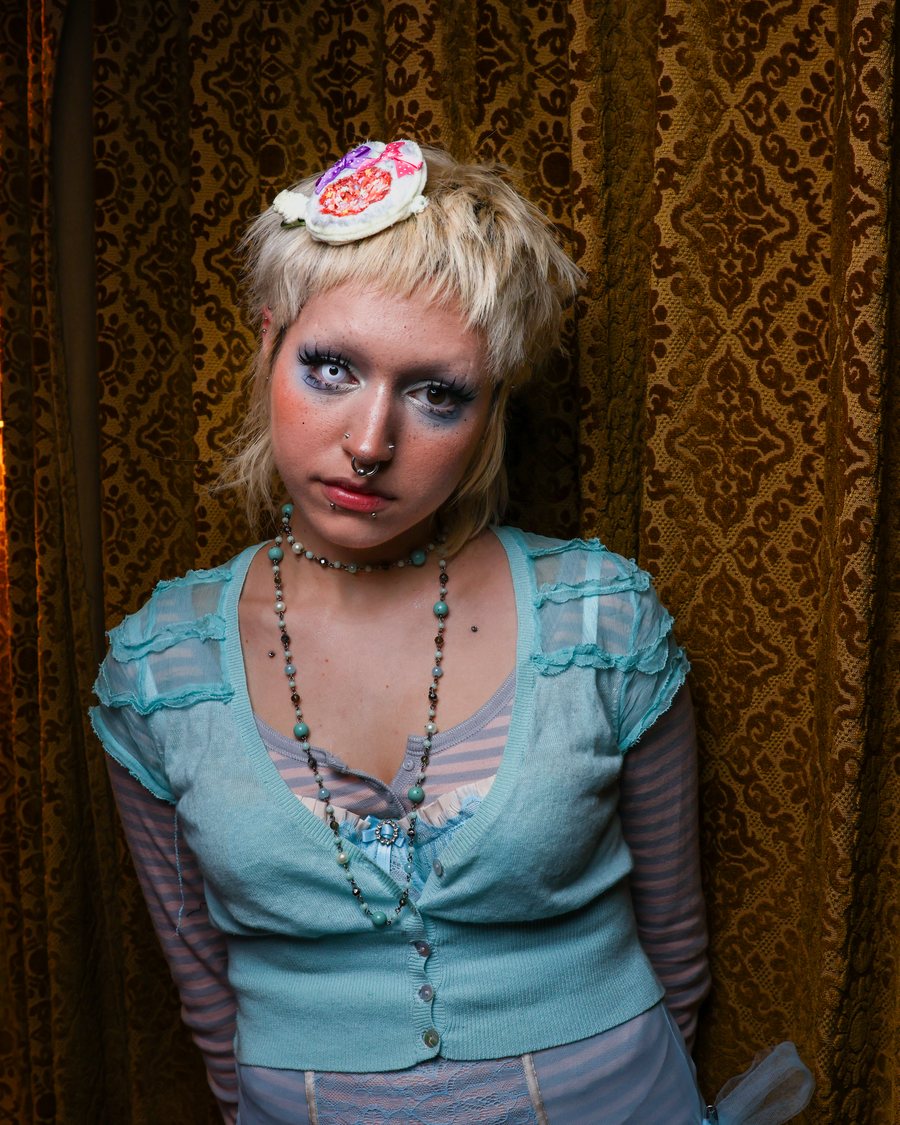
With Betty-Lou on guitar
DORA is part of beefcake☆, and of the new wave of pop emerging across the UK. Detrimentors, beefcake☆’s debut EP, came out in May 2025, and this room first heard DORA at VOICES with Guy Chambers in April. On Side A, DORA joins Jonathan, playing in the room with the record. On guitar is Betty-Lou, back after singing Lilac Wine to us on the Grace night.
Researched October 2026. Spot something wrong? Tell us at hello@circleandstar.com.