The screen world for In My Life
The Christmas Edition · The Listening Salon · Wednesday 2nd DecemberThe Beatles · 1965

Rubber Soul

Made in a month to be in the shops for Christmas 1965 — folk guitars, a soul bass, a sitar, and the moment the Beatles stopped writing for the screaming and started writing for the listening. Sixty-one years old the morning after — and the perfect gift this Christmas.

Wednesday 2nd DecemberDoors 7:00pm£25 · 55 seats
IWhy this record

Fourteen of their own songs, made in a month for Christmas.

The record where a band who wrote for screaming crowds started writing for people listening at home. It came out on a Friday in December 1965 — we play it the night before its birthday.

All their own

Fourteen Beatles songs, and no covers to fill the gaps

It was only their second LP, after A Hard Day's Night, made up entirely of their own songs, two of them by Harrison. When the writers ran dry and a session was cancelled on 27 October, George Martin still refused to bring in outside songs.

A new sound

Sitar, fuzz bass, harmonium and a piano made to sound like a harpsichord

In one month they brought Harrison's sitar, McCartney's bass through a fuzzbox, Martin's harmonium and a piano recorded at half speed into the room. Across the record, the instruments change the colour of the songs as much as the words do.

Heard as one

The album that pushed Brian Wilson to make Pet Sounds

Brian Wilson heard Rubber Soul, felt challenged to make a great album of his own and began work on Pet Sounds. What he heard was a whole record rather than a run of singles.

Lennon's verdict

The record Lennon said you needed to know them

The Beatles' official site quotes Lennon as saying that you don't know the band if you don't know Rubber Soul. It was the hinge between the touring group and the studio band.

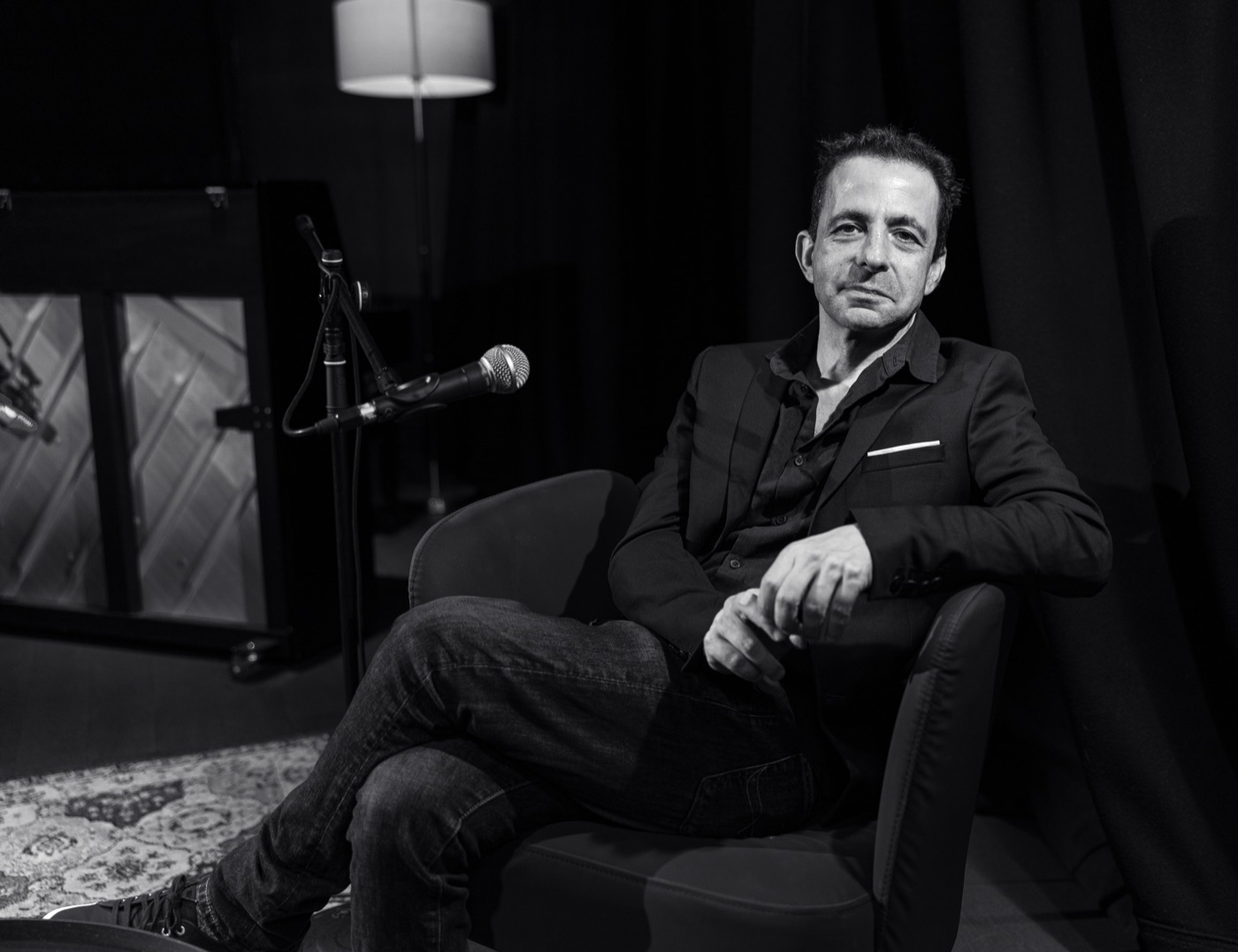
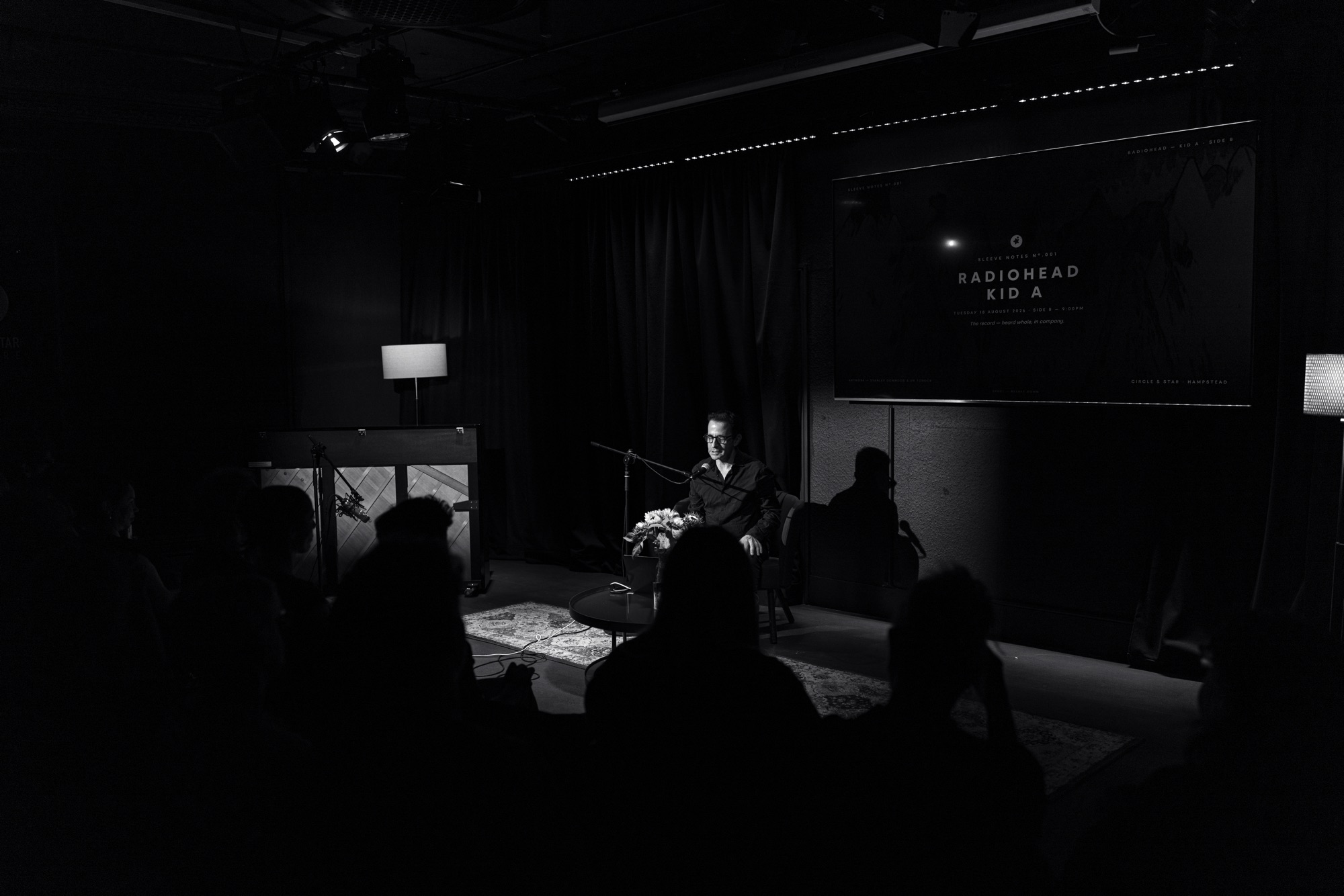
Jonathan Wingate in the chair at Sleevenotes
Jonathan Wingate · in the chair at Heath Street
·Presented by

Jonathan Wingate

  • Spokesman for David Bowie and Sir Bob Geldof
  • Writes for The Times, the Daily Telegraph, Mojo and Rolling Stone
  • A regular voice on BBC television and radio

Jonathan Wingate spent years as the spokesman for David Bowie and Sir Bob Geldof before turning to journalism. He writes for The Times, the Daily Telegraph, Mojo and Rolling Stone, and has interviewed everyone from Sir Paul McCartney, Sir George Martin and Robert Plant to Björk, Smokey Robinson and Tony Bennett. A regular voice on BBC television and radio.

He opens every record up — then sits down with the rest of the room to hear it whole.

·Where you’ll hear it

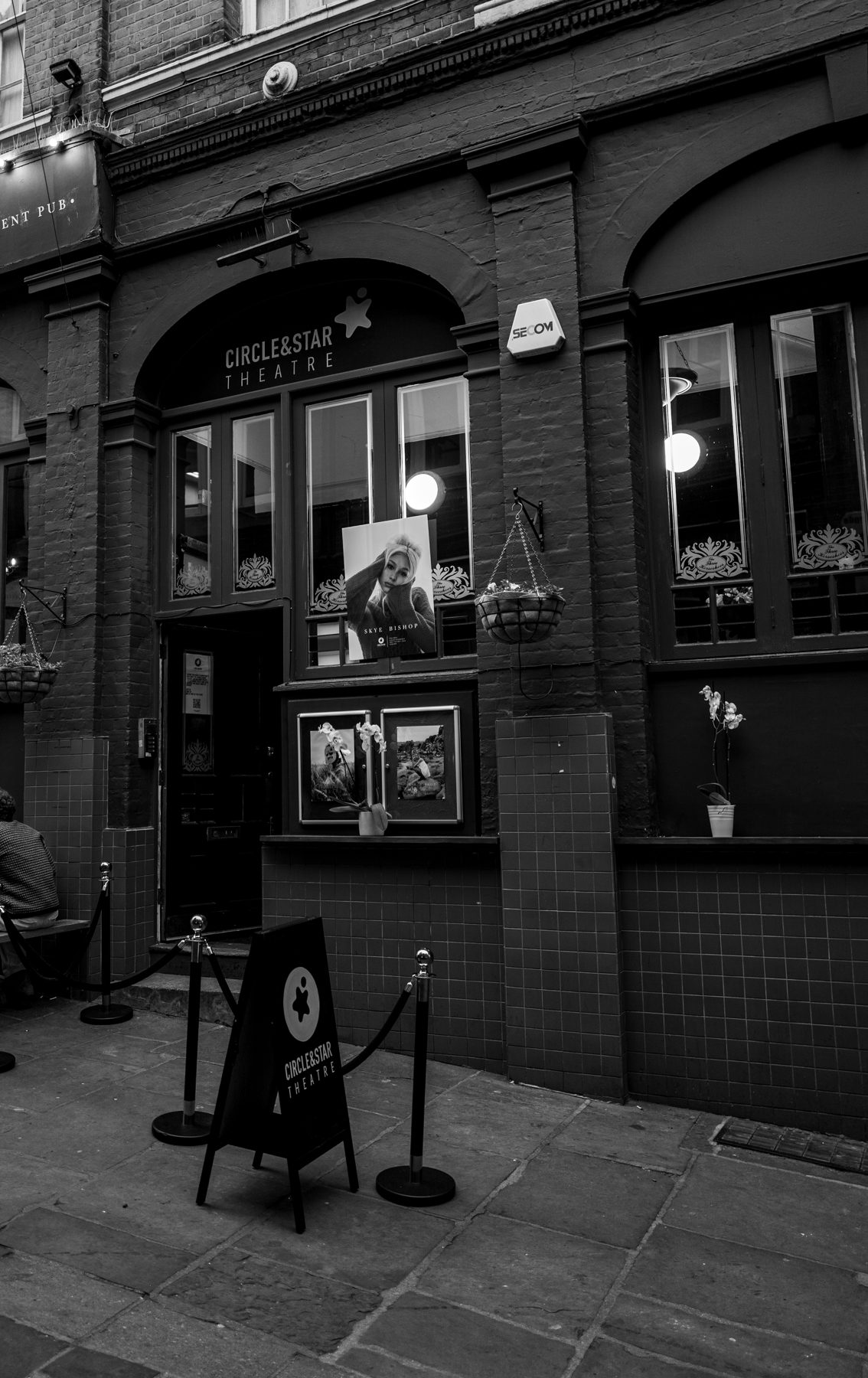
Here — at 28 Heath Street.

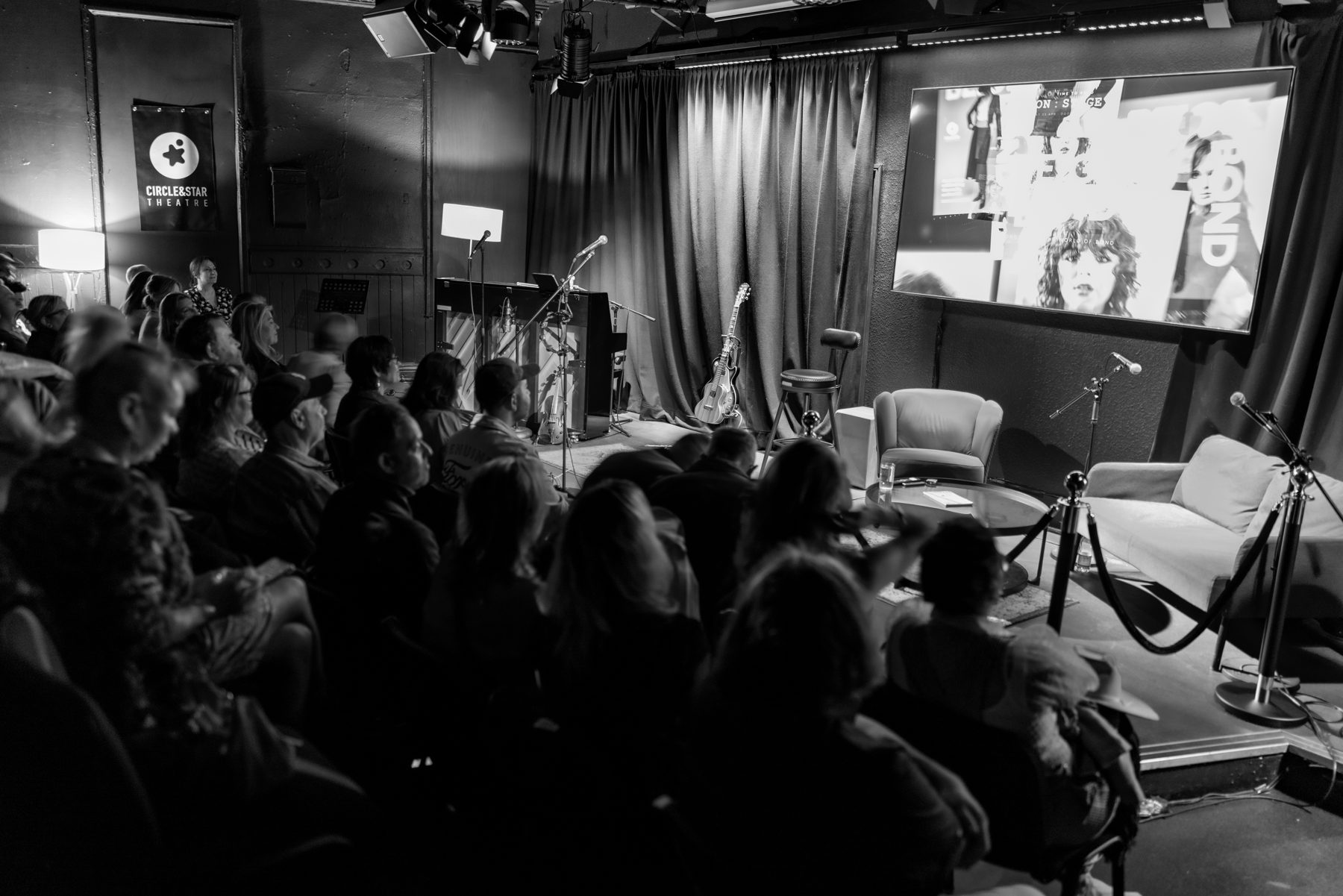
Fifty-five seats, a chair, a screen and the record, in a small theatre on Heath Street in Hampstead. The station is thirty seconds from the door.

Circle & Star · 28 Heath Street, Hampstead
A full house, in their seats
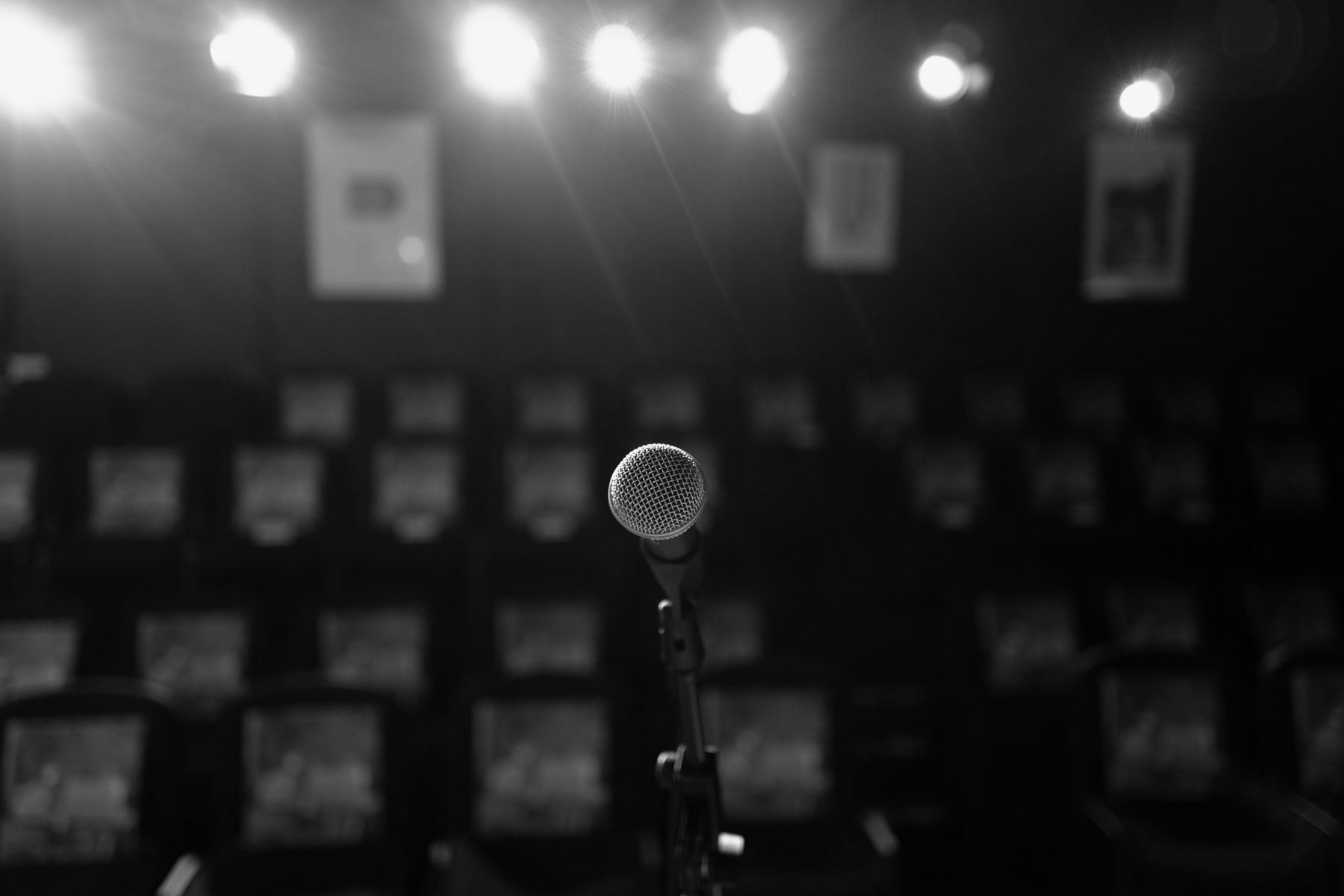
From behind the mic — fifty-five seats, every one close
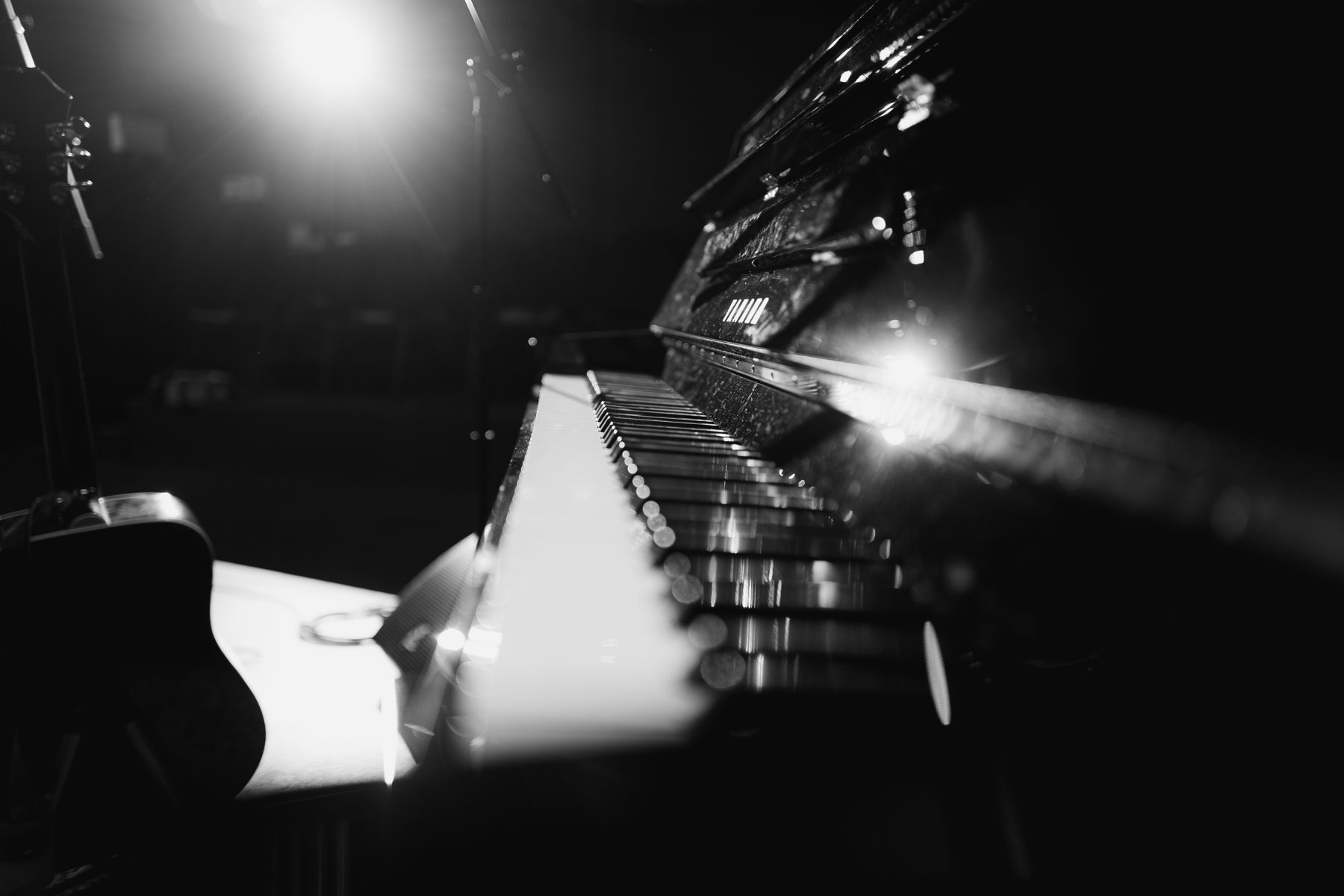
The piano at Heath Street
EMI Studios, Abbey Road · autumn 1965

Four weeks, and an all-nighter to finish.

From 12 October to 11 November, against a Christmas deadline.

IIThe Beatles

From a church fête in Woolton to a rooftop on Savile Row.

1965 was Shea Stadium and the MBEs. It was also the autumn they went back into the studio and made something quieter.

A life in frames
1957
John meets Paul

On 6 July 1957, at the St Peter's church fête in Woolton, Ivan Vaughan introduced 15-year-old Paul McCartney to John Lennon, whose skiffle group the Quarrymen was playing that day.

1960
Hamburg

Now the Beatles, with Pete Best newly on drums, they opened their first Hamburg residency at the Indra Club on 17 August 1960 and played there for 48 nights.

1961
Epstein at the Cavern

Brian Epstein, who ran the NEMS record shop, saw them at a Cavern Club lunchtime session on 9 November 1961 and was their manager within weeks.

1962
Ringo joins

Ringo Starr replaced Pete Best and played his first show as a Beatle at Hulme Hall, Port Sunlight, on 18 August 1962. For the first time the line-up was John, Paul, George and Ringo.

1964
America tunes in

Their Ed Sullivan Show debut on 9 February 1964 was watched by an estimated 73 million people, a record for US television at the time.

1965
Shea, MBEs, Rubber Soul

After a record-breaking show at Shea Stadium, the band collected their MBEs at Buckingham Palace in the middle of the sessions and released Rubber Soul in time for Christmas.

1966
The last concert

Their final concert was at Candlestick Park, San Francisco, on 29 August 1966. From then on they worked only in the studio.

1967
Sgt. Pepper

Sgt. Pepper's Lonely Hearts Club Band, released without a single, spent 23 consecutive weeks at No.1 in the UK.

1969
The rooftop

On 30 January 1969 they played an unannounced set on the roof of Apple's headquarters at 3 Savile Row, their last public performance together.

1970
The split

On 10 April 1970 the Daily Mirror ran the headline that Paul was quitting the Beatles, after a question-and-answer sheet sent out with his first solo album.

2023
Now and Then

Their final song, built from a Lennon demo of the late 1970s, became their 18th UK No.1 single on 10 November 2023, 54 years after the last.

2026
Rubber Soul returns

The remixed and expanded Special Edition, out on 2 October 2026, reached No.2 on the UK Official Albums Chart and No.1 on the vinyl chart.

IIIThe year around it

1965. Churchill’s funeral, the first spacewalk — and Dylan goes electric.

On the chart dated 26 December, Rubber Soul knocked The Sound of Music off the top.

Britain

Churchill's funeral

As Churchill's coffin went down the Thames on the launch Havengore on 30 January, London's dockers lowered their crane jibs in salute.

Tech

The first spacewalk

On 18 March Alexei Leonov left Voskhod 2 for about 12 minutes, and his suit swelled so much that he struggled to get back inside.

Sport

Jim Clark's double

The Scottish driver won the Indianapolis 500 in a rear-engined Lotus and then the Formula One world championship, and no one else has won both in the same year.

Music

Dylan goes electric

On 25 July at the Newport Folk Festival, Bob Dylan played an electric set with a Stratocaster and band and was met with both cheers and boos.

Britain

The rope is suspended

The Murder (Abolition of Death Penalty) Act received royal assent on 8 November, the same day the Beatles were recording Think for Yourself.

World

Rhodesia breaks away

On 11 November, the day of the final Rubber Soul session, Ian Smith's government declared independence from Britain without its consent.

Music

The Who's debut, same day

The Who released their first album, My Generation, on Brunswick on 3 December 1965, the same Friday as Rubber Soul.

Culture

A Charlie Brown Christmas

The Peanuts special, with Vince Guaraldi's jazz score, first aired on CBS on 9 December. The network had expected it to flop, and it became a perennial.

Tech

Jingle Bells in orbit

On 16 December the Gemini 6A astronauts Wally Schirra and Tom Stafford reported a ‘UFO’ and then played Jingle Bells on a tiny harmonica and sleigh bells.

Britain

A 70mph limit

At noon on 22 December, Britain brought in a trial 70mph speed limit on all roads, motorways included, after a run of crashes in fog.

Film

Doctor Zhivago opens

David Lean's epic, with Omar Sharif and Julie Christie, had its premiere in New York on 22 December.

Music

Rubber Soul knocks off the nuns

The Sound of Music soundtrack topped the UK albums chart for much of 1965. On the chart dated 26 December, Rubber Soul replaced it at No.1.

Circle & Star · Hampstead

Sleevenotes Nº.001 · Kid A — the house, listening

IVThe making

A month at Abbey Road, against the clock.

  1. Tuesday 12 October 1965

    The clock starts

    Back at EMI Studios after the American tour and a holiday, they cut Run for Your Life first, with a Norwegian Wood attempt the same day. A Christmas release left them about a month.

  2. Wednesday 13 October

    Past midnight for Drive My Car

    The opening track was recorded in a session that ran beyond midnight, with McCartney overdubbing the piano and the slide-guitar solo.

  3. 16–18 October

    Harrison's 12-string and Lennon's memories

    If I Needed Someone was cut in a single take on Harrison's new Rickenbacker 12-string, and on the 18th the backing track for In My Life was laid down in three takes.

  4. 21–22 October

    Sitar, and a piano at half speed

    Norwegian Wood was remade on the 21st and gave the master with Harrison's sitar. The next day Martin played his Baroque-style solo for In My Life with the tape at half speed, so it played back an octave higher and sounded like a harpsichord.

  5. 26–27 October

    The Palace, then a blank day

    On the 26th the four took a day out of the sessions to receive their MBEs from the Queen at Buckingham Palace. The next day's session was called off because there were no new songs to record.

  6. 3–4 November

    Michelle and Ringo's song

    McCartney's old party piece Michelle was recorded on the 3rd and What Goes On on the 4th. From then on, sessions were routinely booked to run until about 3am.

  7. Monday 8 November

    Fuzz bass and a Christmas message

    After Think for Yourself, with McCartney's bass through a fuzzbox, the band ad-libbed at the microphone late at night for their fan-club Christmas record.

  8. Thursday 11 November

    The all-nighter

    The last session ran through the night. They finished 'You Won't See Me', Girl and 'I'm Looking Through You', and completed Wait, left over from June, because the album was still one song short.

  9. 15 November – 3 December

    Mixed, pressed, in the shops

    Final mixing was done on 15 November. The LP came out on 3 December, together with the double A-side Day Tripper / We Can Work It Out and on the opening night of their UK tour.

Released
Friday 3 December 1965 — Parlophone (EMI), UK. Capitol's differently sequenced US edition followed on 6 December 1965.
Recorded
12 October – 11 November 1965 at EMI Studios, Abbey Road, London (the rhythm track of Wait dates from 17 June 1965, during the Help! sessions). Final mixing was done on 15 November 1965.
Produced by
George Martin
Engineered by
Norman Smith — balance engineer and mixing (his last Beatles album before EMI made him a producer)
Players
John Lennon — lead, harmony and backing vocals; rhythm, acoustic and lead guitars; organ on 'Think for Yourself'; tambourine · Paul McCartney — lead, harmony and backing vocals; bass (including fuzz bass); acoustic and lead guitars; piano; maracas · George Harrison — lead, harmony and backing vocals; lead, rhythm, acoustic and 12-string guitars; sitar on 'Norwegian Wood'; maracas, tambourine · Ringo Starr — drums and percussion; Hammond organ on 'I'm Looking Through You'; lead vocal on 'What Goes On' · George Martin — producer; piano on 'In My Life'; harmonium on 'The Word' and 'If I Needed Someone' · Mal Evans — Hammond organ on 'You Won't See Me' · Norman Smith — engineer · Robert Freeman — cover photography · Charles Front — title lettering
The sleeve
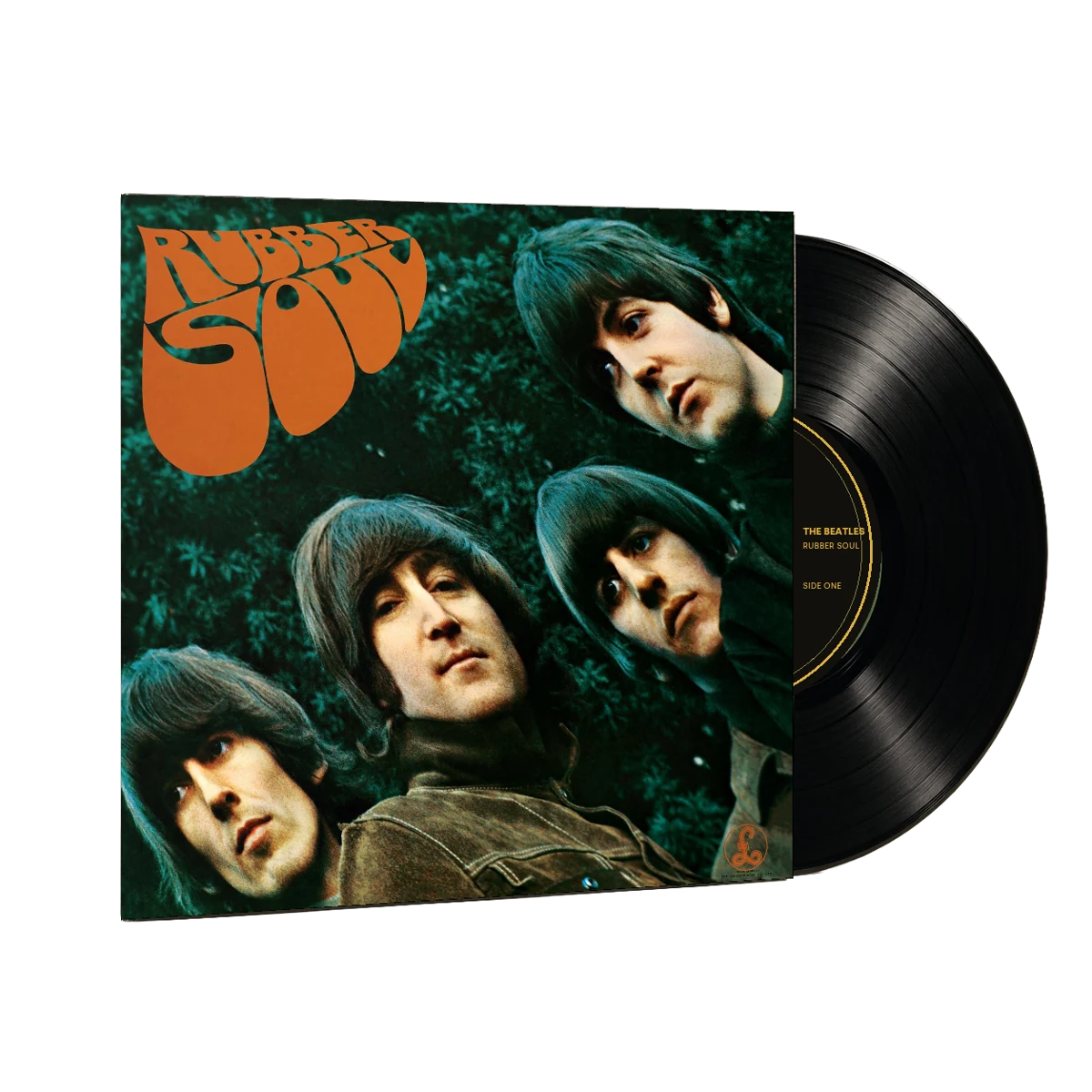
The cover is a photograph by Robert Freeman, who by his own account took it in the garden of Lennon's house, Kenwood, in Weybridge. While he was projecting slides onto an LP-sized card, the card tipped backwards and stretched the image. The band liked the effect and asked him to keep it. The bulging title lettering was drawn by hand in brown gouache by the illustrator Charles Front, and the band's name does not appear on the front.
In the charts
UK — No.1 for eight consecutive weeks on the Record Retailer/Official chart from Christmas 1965, displacing The Sound of Music soundtrack; Melody Maker had it at No.1 for 13 weeks. US — Capitol's altered edition reached No.1 on Billboard's Top LPs on 8 January 1966 and spent six weeks there; Capitol reported 1.2 million copies sold in nine days. The 2026 Special Edition re-entered at No.2 on the UK Official Albums Chart (9 October 2026) and topped the Official Vinyl Albums Chart.
Running time
34:59 (side one 18:05 · side two 16:54)
VThe record

Fourteen songs, heard whole.

TheScreensA Wonder Room product

Featuring a unique, specially created visual journey via The Screens — developed especially for these nights.

Fourteen plates, one a song — made for this page. The screen for the night is still being built.

The Beatles — Rubber Soul, the sleeve
Side A01
  1. 01

    Drive My Car

    2:25

    Mainly McCartney, with lyrical help from Lennon, and sung by both. Harrison suggested doubling the bass with a low guitar riff while he was listening to Otis Redding's Respect, and McCartney added the piano and slide-guitar solo.

  2. 02

    Norwegian Wood (This Bird Has Flown)

    2:05

    Lennon's song about an affair he did not name. Harrison plays a sitar he bought in London after first meeting one on the Help! set, and it is often credited as the first sitar on a rock record.

  3. 03

    You Won't See Me

    3:18

    McCartney, writing about Jane Asher, with a Motown-style bass part. Roadie Mal Evans holds a single Hammond organ note through the end, and it was the longest Beatles recording to date.

  4. 04

    Nowhere Man

    2:40

    Lennon wrote it about himself while stuck for a song, and it is one of the first Beatles songs not about romance. Lennon and Harrison play the solo in unison on matching Fender Stratocasters.

  5. 05

    Think for Yourself

    2:16

    Harrison's song. McCartney overdubbed a second bass through a Tone Bender fuzzbox, reportedly the first time a bass had been recorded that way.

  6. 06

    The Word

    2:41

    Mainly Lennon's, and his first song about love as a principle rather than a romance. George Martin plays harmonium, and it was recorded on 10 November.

  7. 07

    Michelle

    2:40

    A Left Bank-style piece McCartney first played at Liverpool art-school parties. Jan Vaughan, a French teacher, helped with the French. It won the Grammy for Song of the Year in 1967, and the Overlanders' cover reached UK No.1 in January 1966.

  8. 08

    What Goes On

    2:47

    A Lennon song from around 1959, reworked. Ringo sings lead, the only time on the album, and has his first Beatles songwriting credit.

  9. 09

    Girl

    2:30

    Lennon's song and the last complete song recorded for the album, on 11 November. Harrison's capoed guitar has a bouzouki-like tone, and Lennon asked for his intake of breath to be brought up in the mix.

  10. 10

    I'm Looking Through You

    2:23

    McCartney, writing about Jane Asher again. It took three attempts (24 October, 6 November and 10–11 November), and Ringo is credited with the stabs of Hammond organ.

  11. 11

    In My Life

    2:24

    Lennon's look back at Liverpool. George Martin's Baroque solo was played on piano with the tape at half speed, so at normal speed it sounds like a harpsichord.

  12. 12

    Wait

    2:12

    Recorded on 17 June for Help! and left off. It was brought back and overdubbed on 11 November when the album was one song short. Lennon and McCartney share the lead, and Harrison plays volume-pedal guitar.

  13. 13

    If I Needed Someone

    2:20

    Harrison's second song on the album, played on his Rickenbacker 12-string with a riff modelled on the Byrds' The Bells of Rhymney. The Hollies released their version on the same day.

  14. 14

    Run for Your Life

    2:18

    The first song recorded for the album, on 12 October, and placed last. Lennon took one line from Elvis Presley's 'Baby Let's Play House' and later called it his least favourite Beatles song.

VILiner notes

Things worth knowing before the needle drops.

01

No name on the front

The words The Beatles do not appear on the front cover, which has only Freeman's photograph and the title lettering.

02

A happy accident

The stretched faces came from a projection card that slipped backwards during a viewing, and McCartney said the warp suited a title like Rubber Soul.

03

Lettering in latex

Charles Front drew the title in brown gouache to match Lennon's jacket, picturing a glob of latex, and he was not credited.

04

The title began as a mutter

After a take of 'I'm Down' in June 1965, McCartney can be heard saying 'plastic soul', a phrase he said came from a remark about Mick Jagger.

05

A Christmas record on the side

The band's 1965 fan-club Christmas flexi-disc was improvised at EMI after the Think for Yourself session on 8 November.

06

Rehearsal tape, three years later

Martin had an ambient microphone record the band rehearsing vocals for Think for Yourself, and a few seconds of it turned up in the 1968 film Yellow Submarine.

07

Hollies on the same day

The Hollies' cover of If I Needed Someone came out on 3 December too and reached UK No.20, and Harrison criticised it in the press.

08

America heard a different album

Capitol dropped four songs and added two from Help!, then reported sales of 1.2 million copies in nine days.

Afterwards

Brian Wilson and Pet Sounds

Brian Wilson heard Rubber Soul, felt challenged to make a great album and began work on Pet Sounds. It was the start of a friendly rivalry across the Atlantic.

The sitar boom

Norwegian Wood is generally credited with starting the mid-1960s fashion for the sitar in Western pop and is often named as the first raga-rock record.

On the lists

Rolling Stone ranked it No.5 in its 2003 and 2012 lists of the 500 greatest albums and No.35 in the 2020 revision.

Sixty years on

Giles Martin and Sam Okell's new mix from the original four-track tapes, issued on 2 October 2026, took Rubber Soul back to No.2 in the UK and to the top of the vinyl chart.

VIIThe night · Wednesday 2nd December

The story first. Then the record, whole.

  1. 7:00

    Doors

    Come up and find a seat. Fifty-five of them, every one close.

  2. 7:30

    Side A — the story

    Presented by Jonathan Wingate — where the record came from, how it was made, the myth and the meaning.

  3. Side A

    Live in the room

    A guest musician brings a piece of the record into the room, played live. The name follows soon.

  4. Interval

    A breath

    Let the first half settle.

  5. 9:00

    Side B — the record, whole

    Rubber Soul end to end. Lights low, phones away — and a visual journey by The Screens, made for this record, the only light in the room.

  6. 10:00

    Out into Hampstead

    Heath Street at night, with the record still turning in your head.

52days until the needle drops
£2555 seats · one night
Book a seat →
  • Circle & Star Theatre · 28 Heath Street · Hampstead NW3
  • Hampstead Station · Northern Line · thirty seconds from the door
  • Doors 7:00pm · Side A 7:30 · Interval · Side B 9:00 · out by 10:00
Sources · 40 links
  1. en.wikipedia.org — Fourteen Beatles songs, and no covers to fill the gaps
  2. npr.org — The album that pushed Brian Wilson to make Pet Sounds
  3. thebeatles.com — The record Lennon said you needed to know them
  4. classical-music.com — 1957 · John meets Paul
  5. beatlesbible.com — 1960 · Hamburg
  6. beatlesbible.com — 1961 · Epstein at the Cavern
  7. beatlesbible.com — 1962 · Ringo joins
  8. thebeatles.com — 1964 · America tunes in
  9. beatlesbible.com — 1966 · The last concert
  10. officialcharts.com — 1967 · Sgt. Pepper
  11. beatlesbible.com — 1969 · The rooftop
  12. theconversation.com — 1970 · The split
  13. thebeatles.com — 2023 · Now and Then
  14. officialcharts.com — 2026 · Rubber Soul returns
  15. countrylife.co.uk — Churchill's funeral
  16. space.com — The first spacewalk
  17. motorsportmagazine.com — Jim Clark's double
  18. smithsonianmag.com — Dylan goes electric
  19. deathpenaltyproject.org — The rope is suspended
  20. webarchive.nationalarchives.gov.uk — Rhodesia breaks away
  21. en.wikipedia.org — The Who's debut, same day
  22. thehenryford.org — A Charlie Brown Christmas
  23. guinnessworldrecords.com — Jingle Bells in orbit
  24. autocar.co.uk — A 70mph limit
  25. catalog.afi.com — Doctor Zhivago opens
  26. officialcharts.com — Rubber Soul knocks off the nuns
  27. the-paulmccartney-project.com — The clock starts
  28. en.wikipedia.org — Past midnight for Drive My Car
  29. en.wikipedia.org — Harrison's 12-string and Lennon's memories
  30. musicradar.com — Sitar, and a piano at half speed
  31. thebeatles.com — The Palace, then a blank day
  32. liverpoolmuseums.org.uk — Fuzz bass and a Christmas message
  33. en.wikipedia.org — The all-nighter
  34. the-paulmccartney-project.com — No name on the front
  35. beatlesbible.com — A happy accident
  36. designweek.co.uk — Lettering in latex
  37. en.wikipedia.org — The title began as a mutter
  38. en.wikipedia.org — Rehearsal tape, three years later
  39. beatlesbible.com — America heard a different album
  40. en.wikipedia.org — The sitar boom

Researched October 2026. Spot something wrong? Tell us at hello@circleandstar.com.

Rubber SoulWed 2 Dec · £25Book →