Released as one piece, never cut into hits
Radiohead issued no singles and no conventional videos for Kid A — only Optimistic went to US radio as a promo-only lead track — so the record reached the world as a whole album or not at all.

The band walks off the map and into the ice. Guitars dissolve; something colder and stranger takes their place. The sound of a century turning over.
Written off in advance as commercial suicide, it was made to be heard as one piece. Four reasons to hear it that way.
Radiohead issued no singles and no conventional videos for Kid A — only Optimistic went to US radio as a promo-only lead track — so the record reached the world as a whole album or not at all.
Yorke told Rolling Stone that Everything in Its Right Place was the first thing he wrote once his block lifted, on a baby grand he had just bought; it became the breakthrough the rest of the record followed from.
The strings are played by the Orchestra of St John's from Jonny Greenwood's score, while Idioteque is built on a sample of Paul Lansky's first computer piece, composed in 1973 on an IBM mainframe fed by punch cards.
Called commercial suicide in advance, Kid A sold 207,000 copies in its first US week — four times OK Computer's opening — and went straight to No. 1 on both sides of the Atlantic.

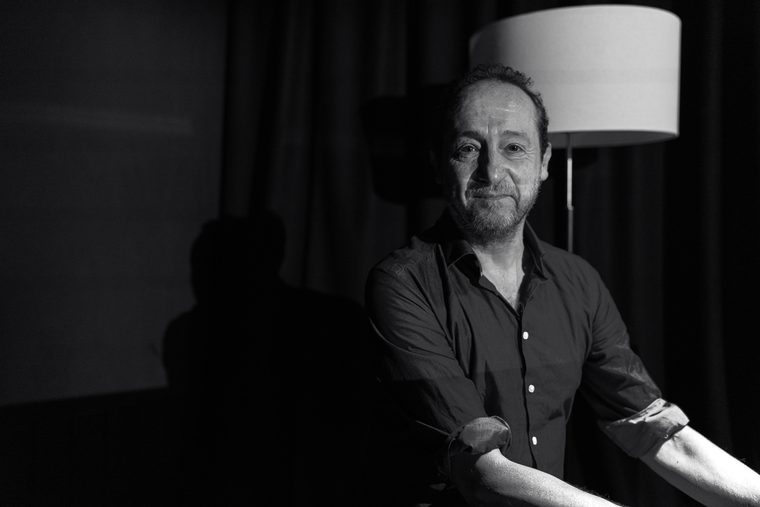
Jonathan Wingate spent years as the spokesman for David Bowie and Sir Bob Geldof before turning to journalism. He writes for The Times, the Daily Telegraph, Mojo and Rolling Stone, and has interviewed everyone from Sir Paul McCartney, Sir George Martin and Robert Plant to Björk, Smokey Robinson and Tony Bennett. A regular voice on BBC television and radio.
He opens every record up — then sits down with the rest of the room to hear it whole.
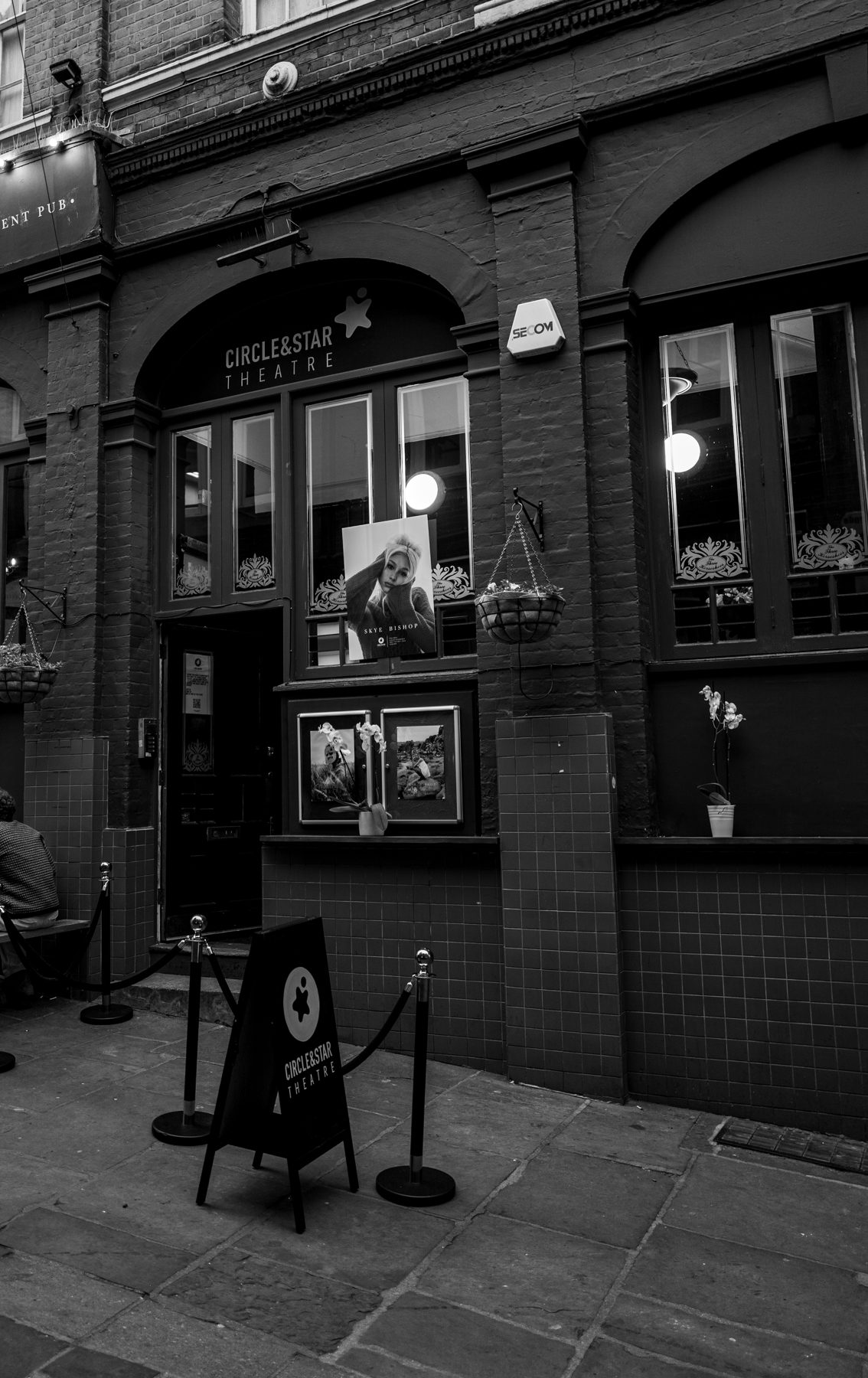
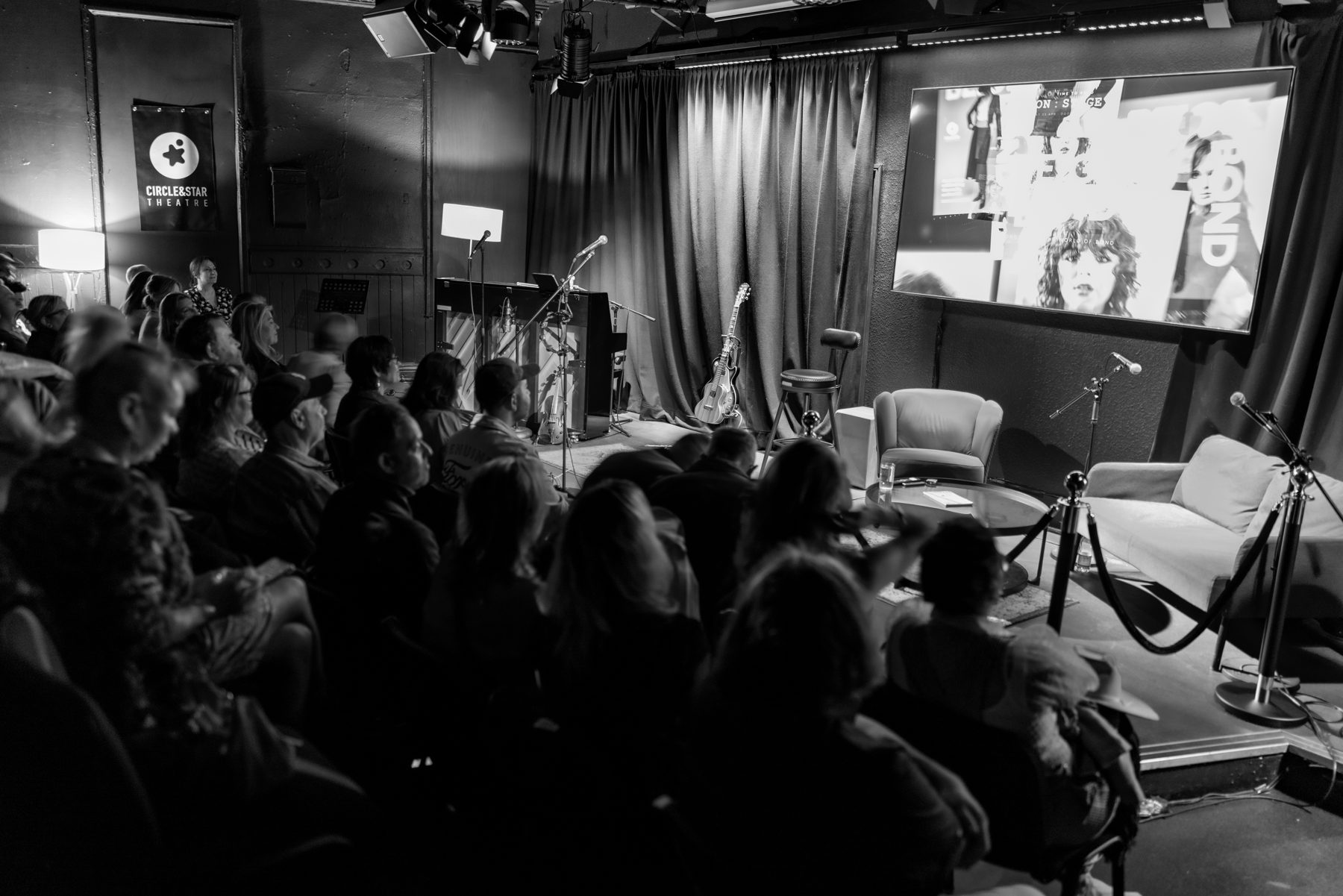
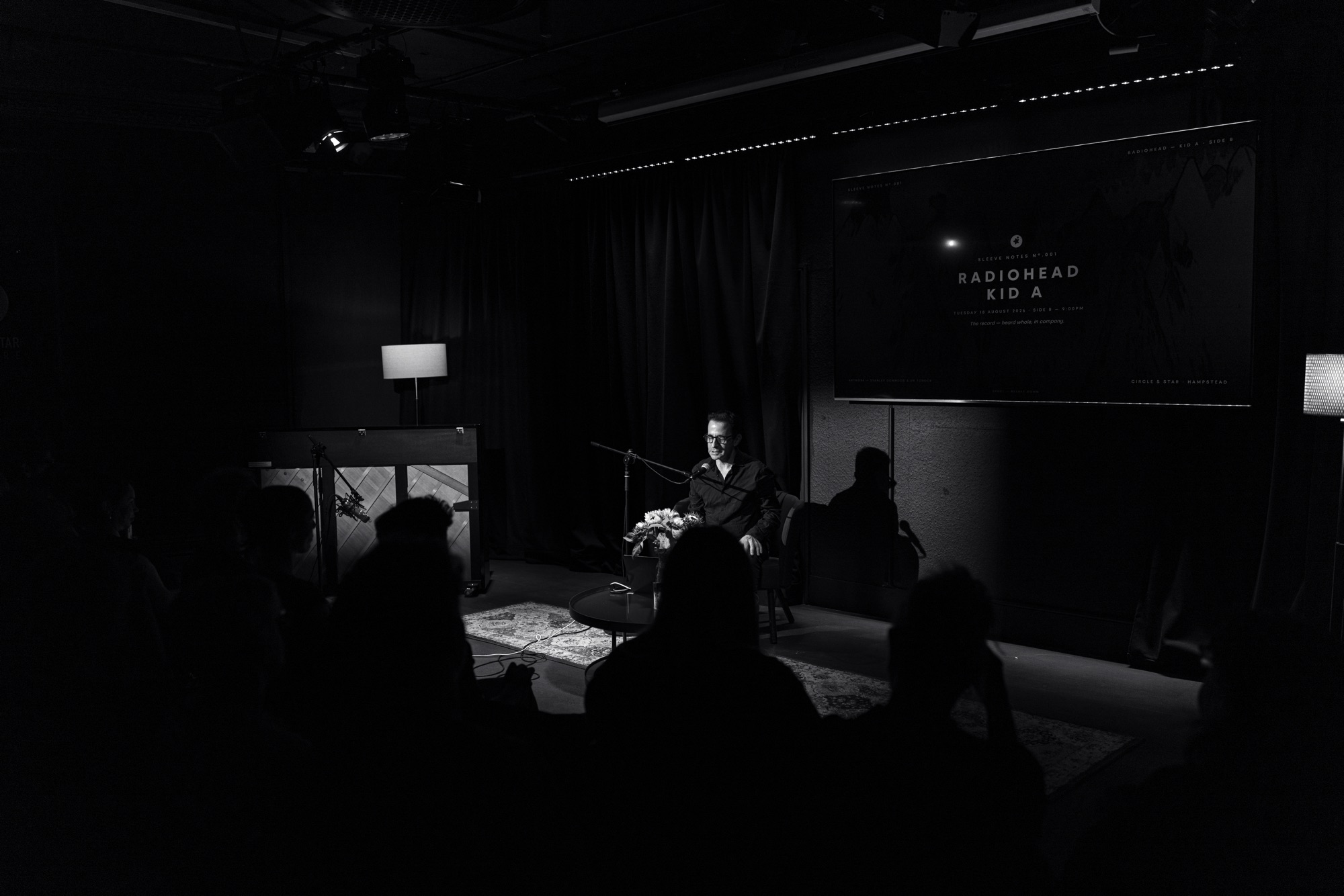
Fifty-five seats, a chair, a screen and the record, in a small theatre on Heath Street in Hampstead. The station is thirty seconds from the door.


The first song he wrote when the block lifted is the one that opens the record.
On a Friday, then Radiohead — after a Talking Heads song. By 1997 OK Computer had made them one of the biggest bands in the world. Then they went somewhere else entirely.
Five pupils at Abingdon School in Oxfordshire form a band named after the day they rehearsed.
Regrouping in Oxford after university, they sign to EMI and rename themselves Radiohead, after a Talking Heads song.
The debut album is patchy, but Creep takes off on American college radio before Britain catches on.
The second album is the record on which the UK and the rest of the world finally wake up to the band.
Near-universal acclaim and a Grammy follow, but the touring and promotion take a heavy toll on Thom Yorke.
With no singles and no video, the most unexpected record of their career enters at No. 1 in both Britain and America.
Songs from the same sessions become a fifth album, a UK No. 1 and a US No. 2.
Free of their EMI contract, they release In Rainbows as a download on 10 October 2007 at whatever price fans choose to pay.
Radiohead are inducted into the Rock & Roll Hall of Fame by David Byrne of Talking Heads.
Kid A and Amnesiac return together with a disc of unreleased session material, reaching No. 4 in the UK.
After a seven-year break the band return to live performance in Madrid on 4 November 2025, opening a European tour.
A 75-minute audiovisual installation built from the Kid A and Amnesiac artwork opens in an underground bunker at Coachella, then tours North America.
London elected its first mayor, Concorde fell at Gonesse and the pumps ran dry. In October a record with no singles went straight to number one.
Billions welcome the year 2000, and the feared Millennium Bug computer meltdown never materialises.
On 4 May Ken Livingstone, expelled from Labour and standing as an independent, wins with nearly 40% of first preferences.
On 12 May Ford confirms car production at its Essex plant will end after more than 70 years, with around 3,000 jobs lost.
On 10 June the new Millennium Bridge from St Paul's to Tate Modern sways so badly under opening-day crowds that it is closed.
On 26 June the first survey of the entire human genome is announced at the White House, with Tony Blair joining by satellite from London.
On 25 July an Air France Concorde crashes minutes after take-off from Paris, killing 113 people.
Fuel-duty blockades paralyse Britain for seven days, emptying supermarket shelves before ending on 15 September — a fortnight before Kid A.
On 23 September in Sydney, Steve Redgrave wins a fifth consecutive Olympic gold in the coxless four, by less than half a second.
As Kid A is released, Napster's estimated 25 million users face a lawsuit from the US record industry — whose members include Radiohead's own label, EMI.
Kid A entered the UK chart above Madonna's Music, Robbie Williams's Sing When You're Winning, Eminem's The Marshall Mathers LP and Craig David's Born to Do It.
The year's breakout British film was directed by Stephen Daldry, better known until then for his stage work at London's Royal Court Theatre.
On election night in November, Al Gore phones George W Bush to concede, then retracts as Florida's margin shrinks to a few hundred votes.

Sleevenotes Nº.001 · Kid A — the house, listening
After the OK Computer tour Yorke retreated to a house in Cornwall, walking the moors and drawing; the first song he wrote once his block lifted was Everything in Its Right Place, on a newly bought baby grand piano.
Sessions began in Paris with no record-company deadline; before recording, the band's first outing was a David Hockney exhibition at the Centre Pompidou, whose deep maroons and purples fed the artwork.
Two further attempts followed in Copenhagen and an old mansion in Gloucestershire, as Yorke pushed the band to work like programmers, building sounds and textures rather than songs.
Ed O'Brien kept a day-by-day diary on the band's website; by autumn NME reported around 40 new songs written, rehearsed or recorded across Copenhagen, Paris and Gloucestershire.
Radiohead moved into their own newly built studio space in Oxfordshire, where most of the record took shape with Nigel Godrich.
The Orchestra of St John's recorded Jonny Greenwood's string score under John Lubbock, and a horn section was brought in for The National Anthem, told to play like players angry and stuck in a traffic jam.
Recording finished in spring 2000 with more songs than one record could hold; the rest became Amnesiac, released the following June, which Colin Greenwood called all one whole.
Playing the new material live before release, the band found a Barcelona show on Napster the next day; three weeks later an audience in Israel knew all the words.
Promo CDs carried a 'not for broadcast before Sept 19' note and a sleeve printed with statistics on melting ice; the album came out on 2 October.
Featuring a unique, specially created visual journey via The Screens — developed especially for these nights.
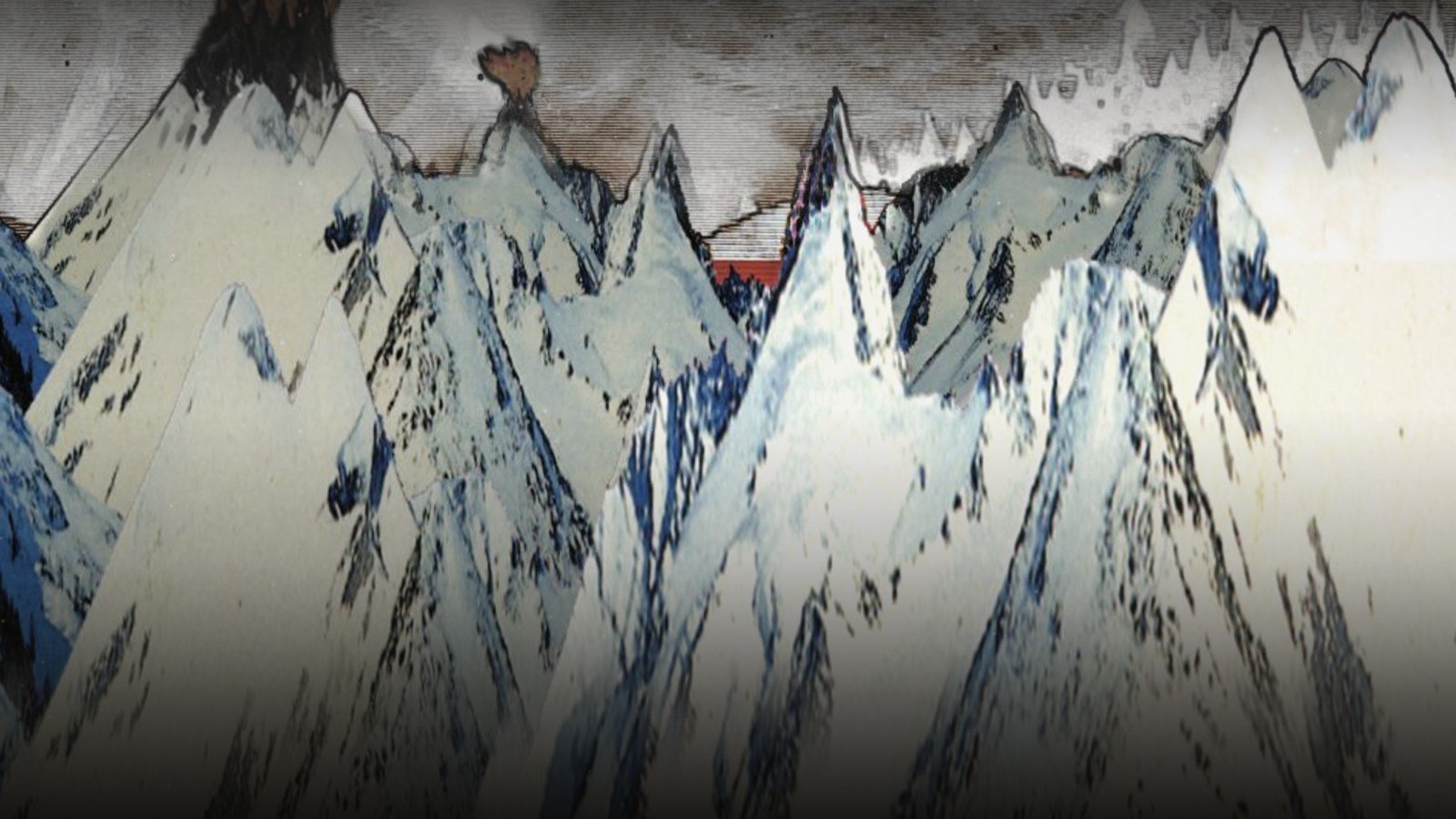
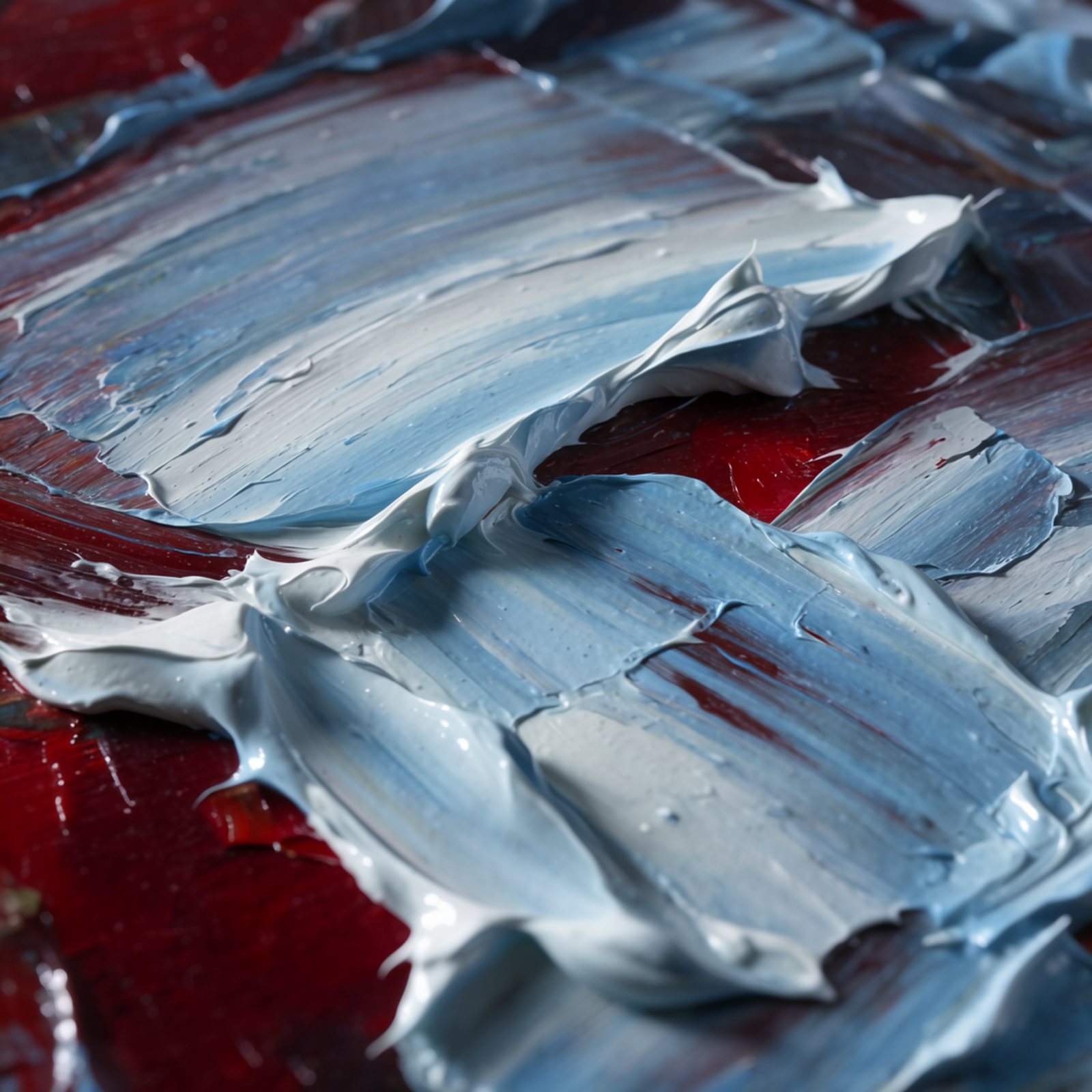
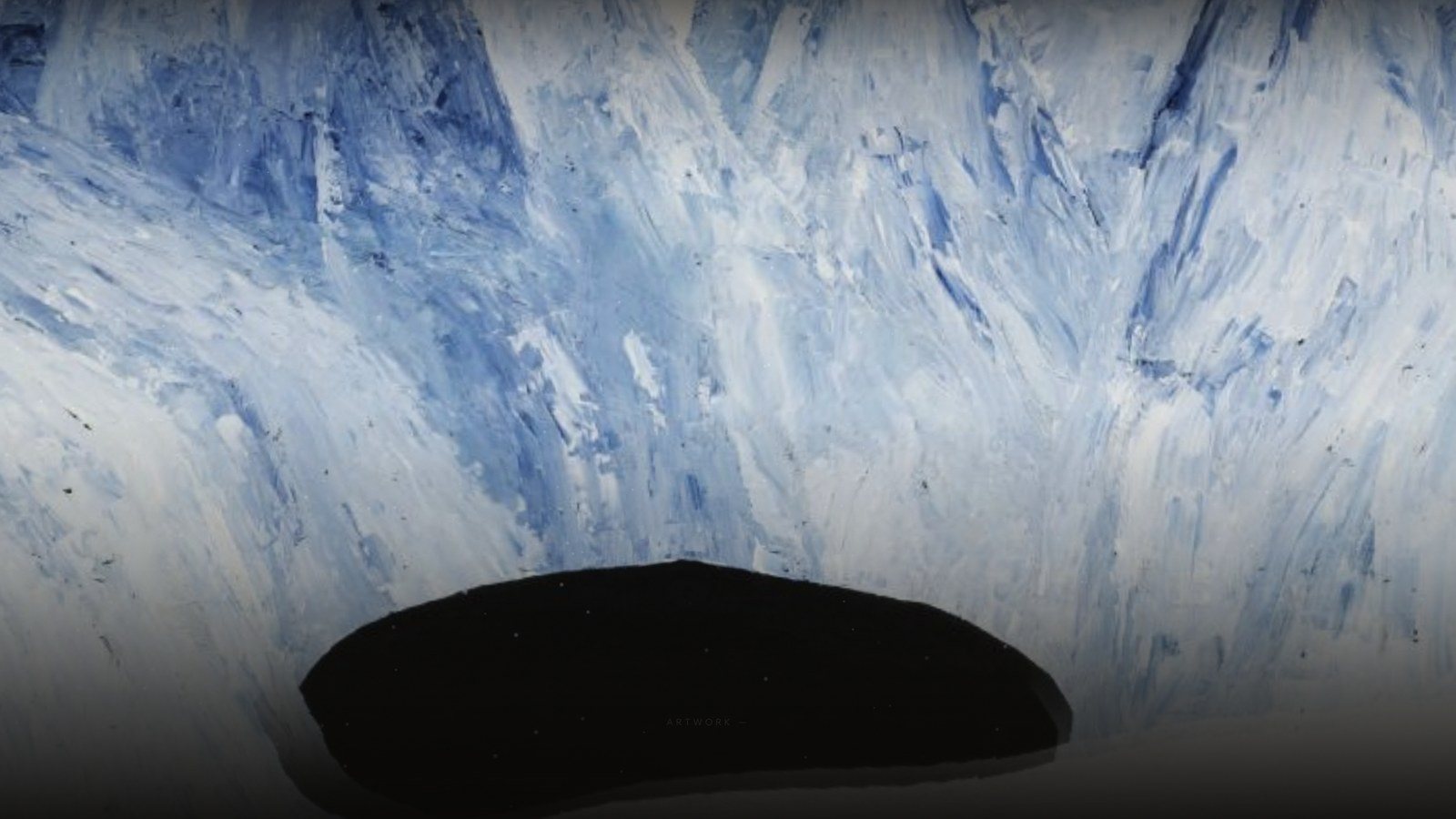
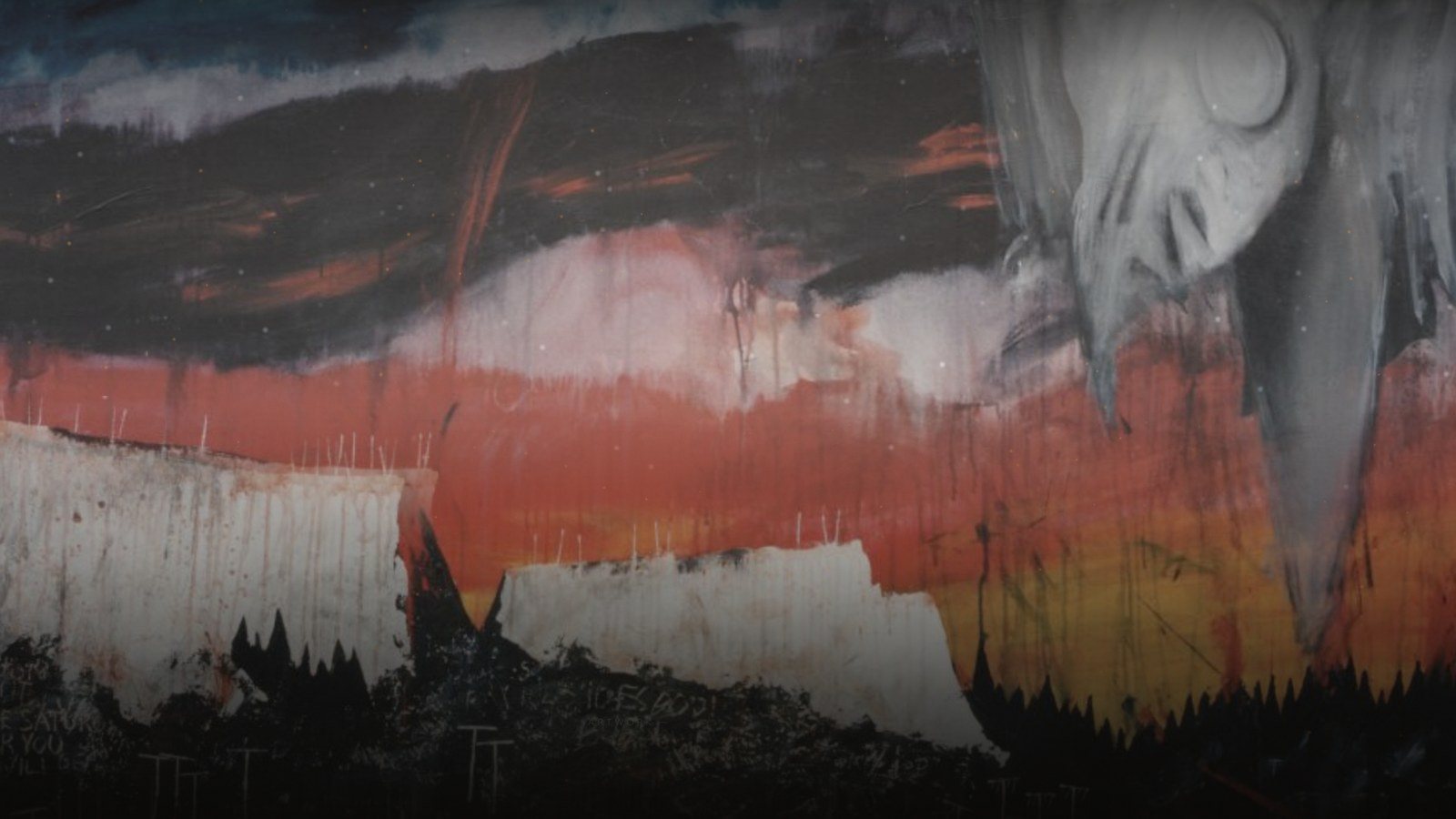
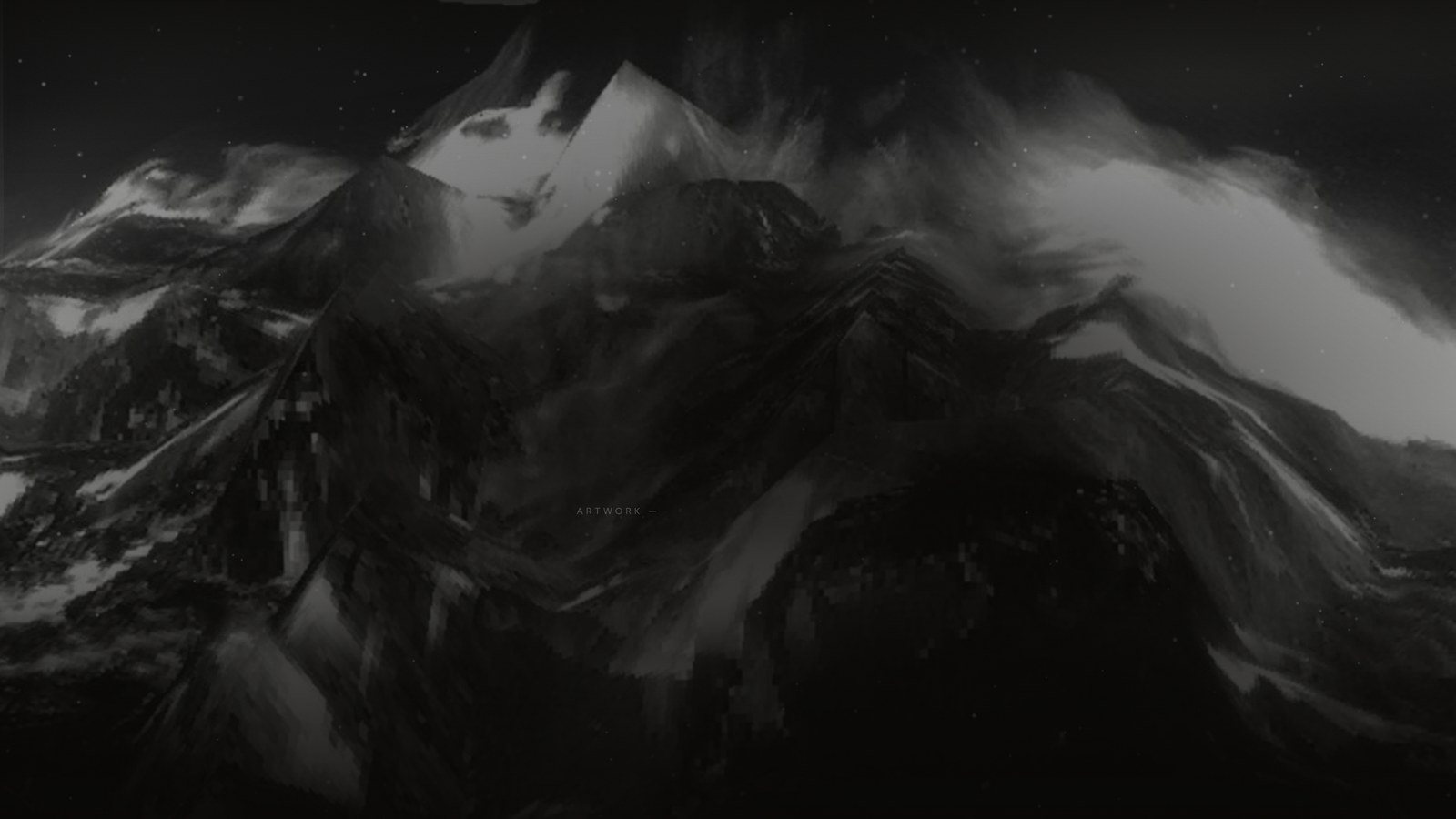
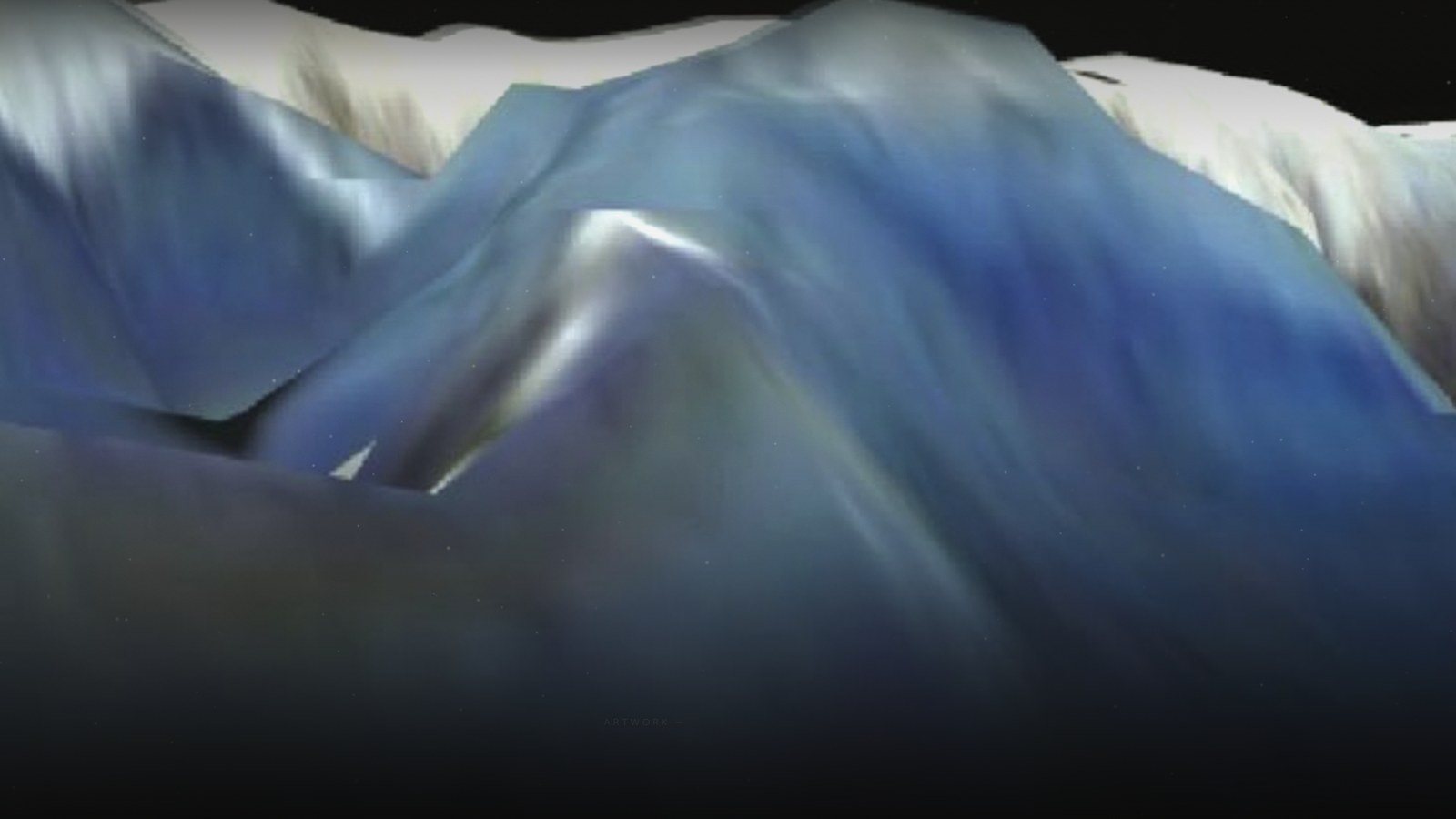
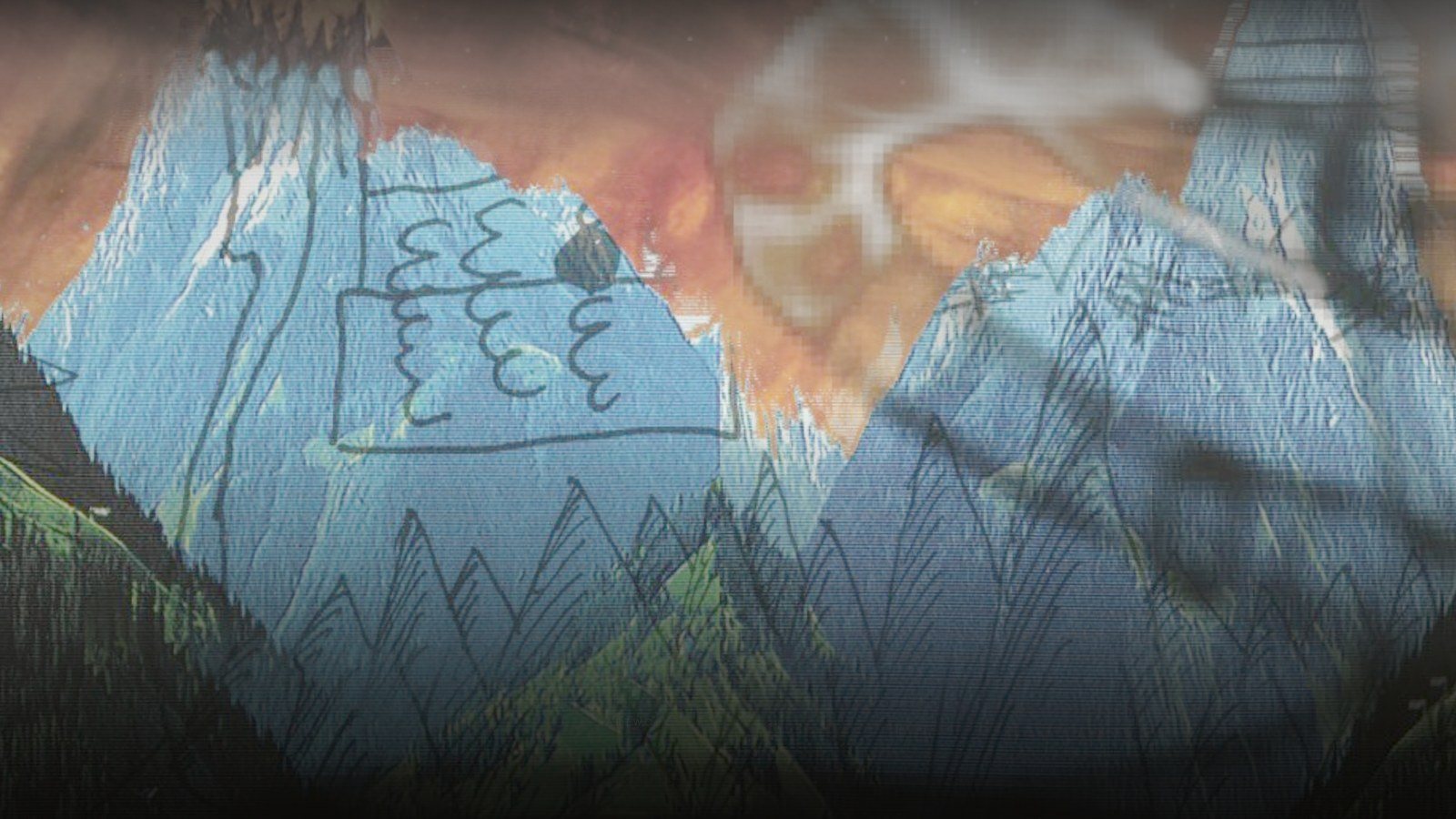
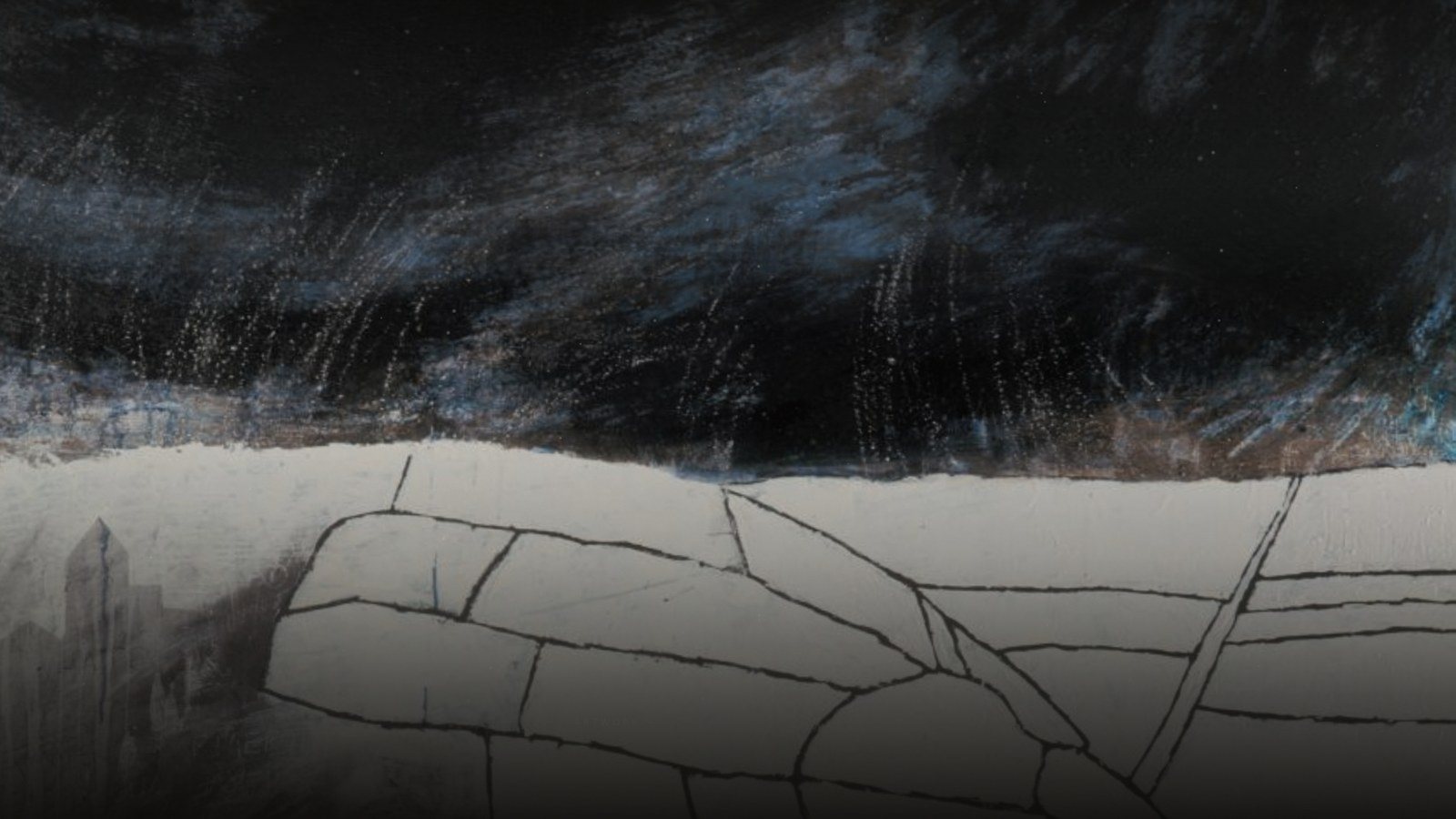
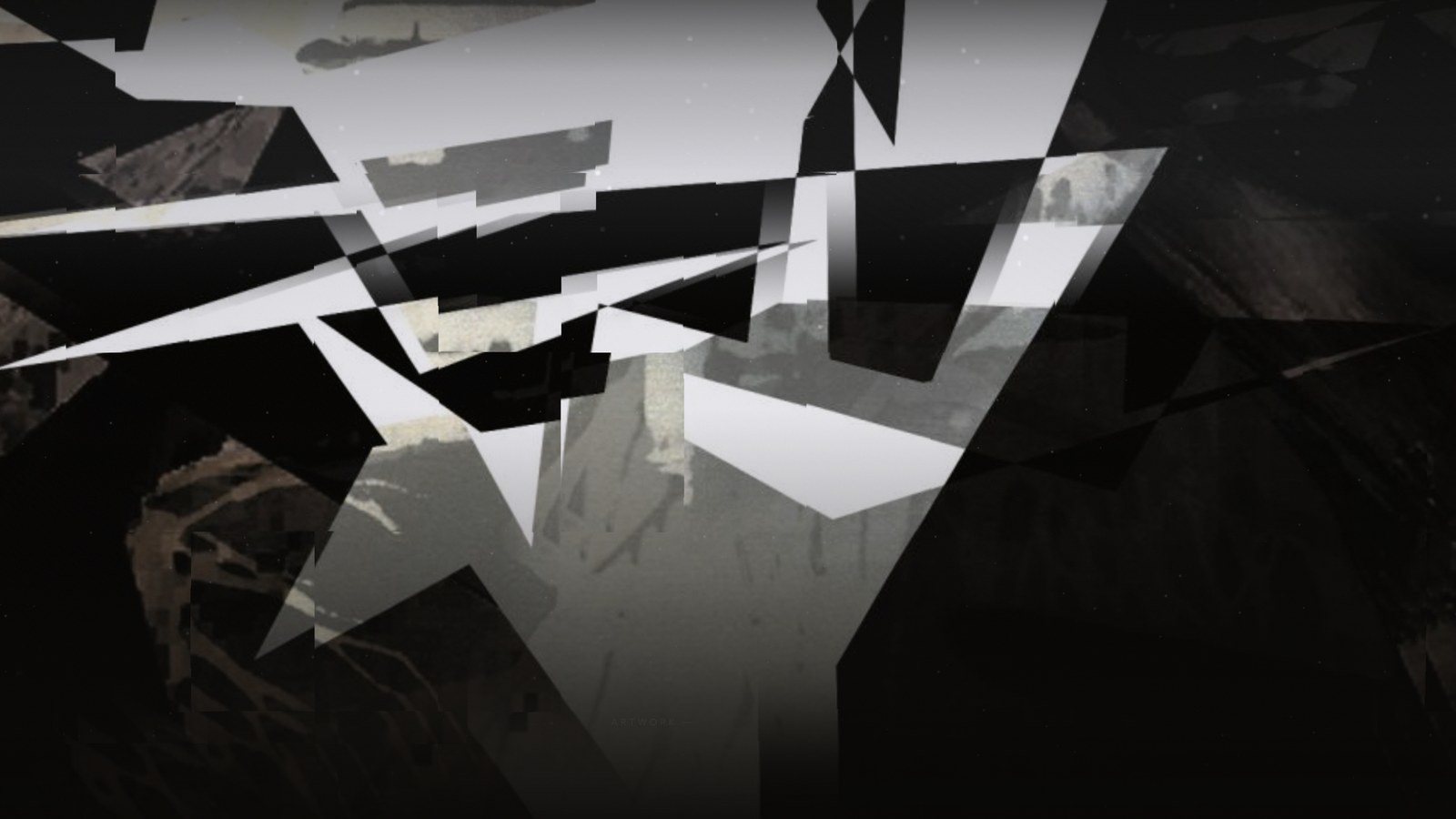
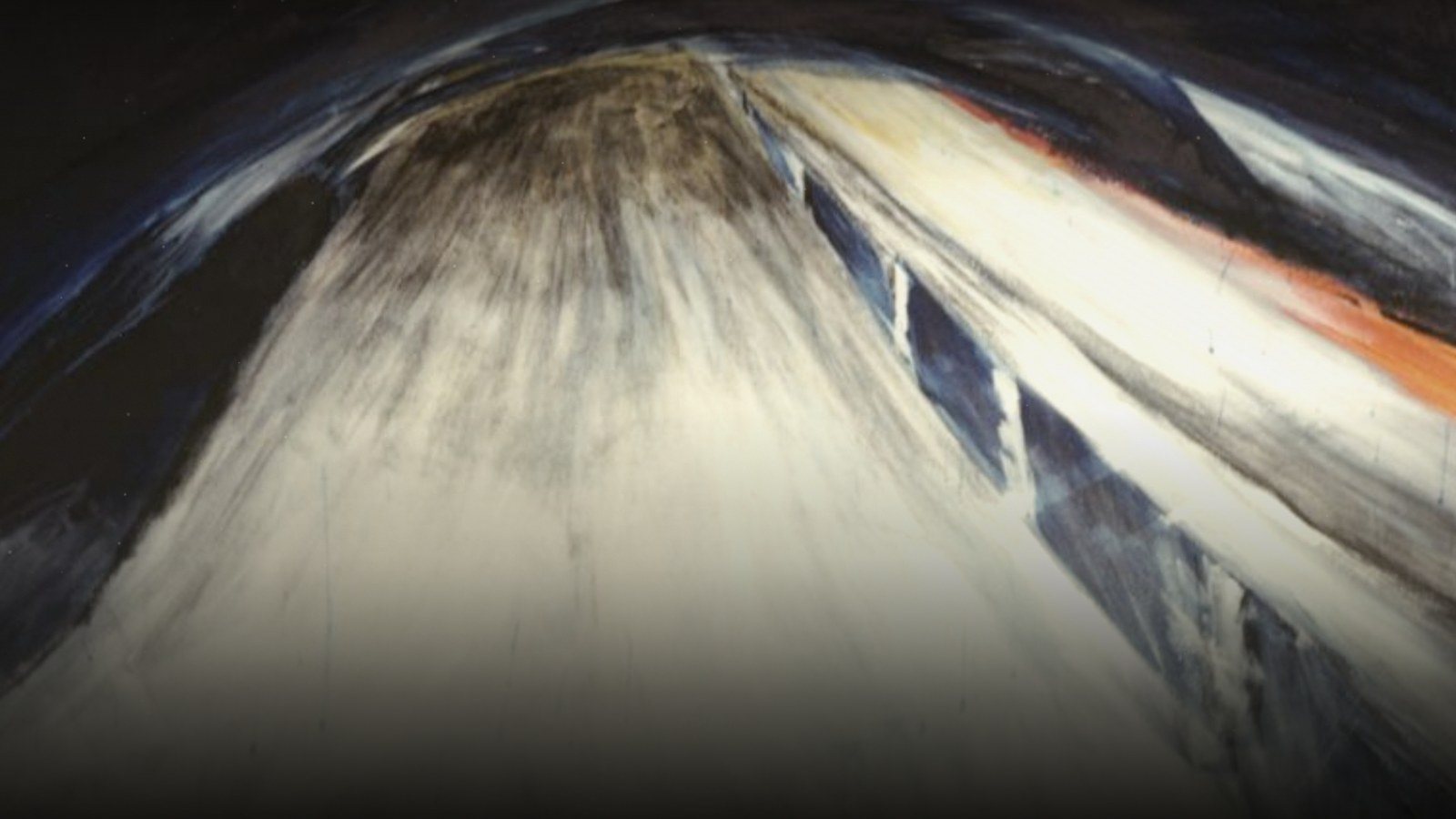
The screen on the night — Stanley Donwood & Dr Tchock’s paintings, one a track.


Written on Yorke's new piano; two band attempts failed before it was rebuilt around a synthesiser and became the record's breakthrough.

Named after a sequenced part saved on Yorke's Roland MC-505; his voice is filtered through Jonny Greenwood's ondes Martenot.

Its circular bass riff dates from the band's earliest days; the horn section was told to play as if angry and stuck in a traffic jam.

Already played live on tour in 1998; the strings are the Orchestra of St John's, conducted by John Lubbock from Jonny Greenwood's score.

An instrumental made by recording Ed O'Brien's guitar into Yorke's laptop and transforming it beyond recognition.

The album's most rock-shaped track, sent to US radio as a promo-only lead track in place of a single.

Originally titled Lost at Sea, it was recorded in Paris and discarded, then rescued when the band revisited the tapes nearly a year later.

Built on Jonny Greenwood's drum-machine pattern and samples of Paul Lansky's 'mild und leise' and Arthur Kreiger's Short Piece, both used with the composers' permission.

A markedly different recording of the same song appeared on Amnesiac the following year.

A song from the On a Friday days, recast on pedal organ after a piano version for OK Computer went unused; it closes with an unlisted coda.
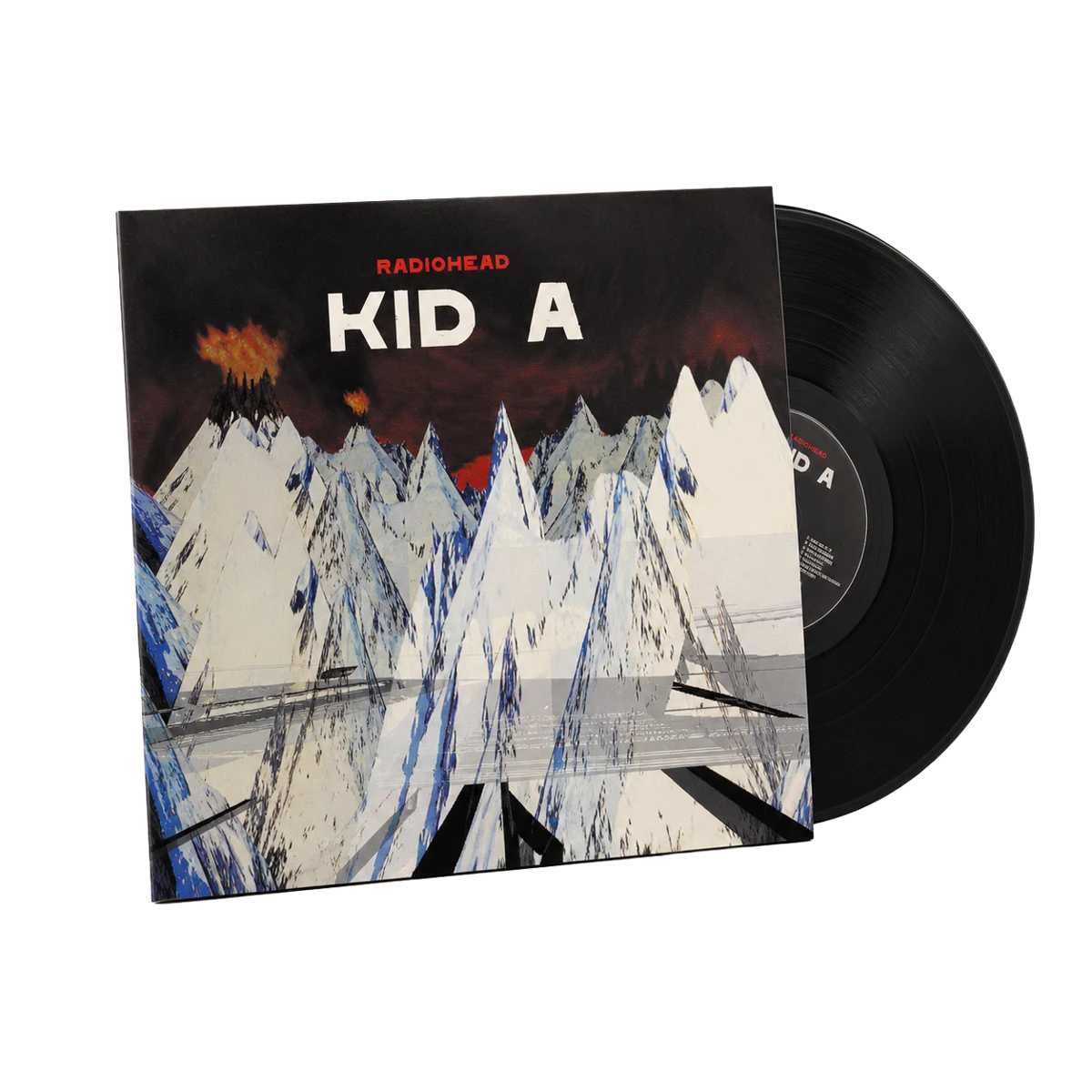
The original vinyl came as two 10-inch discs whose four sides were named Alpha to Delta, with the hidden coda tucked into the run-out groove behind a locked groove.
The UK promo CD's cover carried a table of ice-melt measurements — the Arctic, Greenland, Alaska's Columbia Glacier — rather than any sales pitch.
On release day EMI recalled 150,000 European CDs hit by a mastering error; a fan site reported they began with 40 seconds of a Pearl Jam concert.
Jonny Greenwood found Lansky's piece on an old contest LP, Electronic Music Winners, in a second-hand shop in America; Lansky noted he wrote it at about Greenwood's age.
In Donwood and Yorke's archive, the file of the chosen cover image is named THIS MIGHT BE A COVER.
After two weeks at No. 1 in the UK, Kid A was displaced by All Saints' Saints & Sinners, with Limp Bizkit new at No. 2.
The first batch of tickets for Radiohead's 2000 Los Angeles shows sold out in three minutes.
Radiohead took their name from the Talking Heads song Radio Head — and in 2019 it was David Byrne who inducted them into the Rock & Roll Hall of Fame.
Written off in some quarters as a commercial suicide note, Kid A topped the UK and US charts and won the Grammy for Best Alternative Music Album.
Inducting Radiohead in 2019, Byrne called Kid A his 'conversion moment', marvelled that so experimental a record was a hit, and noted the band were already streaming music by app in 2000.
Donwood's 1999 canvas Residential Nemesis, made for the Kid A artwork, sold for £137,500 at Christie's in October 2021.
Twenty-six years on, the Kid A and Amnesiac art and music were remixed for a six-point surround installation, Motion Picture House, unveiled at Coachella in April 2026.
Fifty-five people, one record end to end, listening as one.

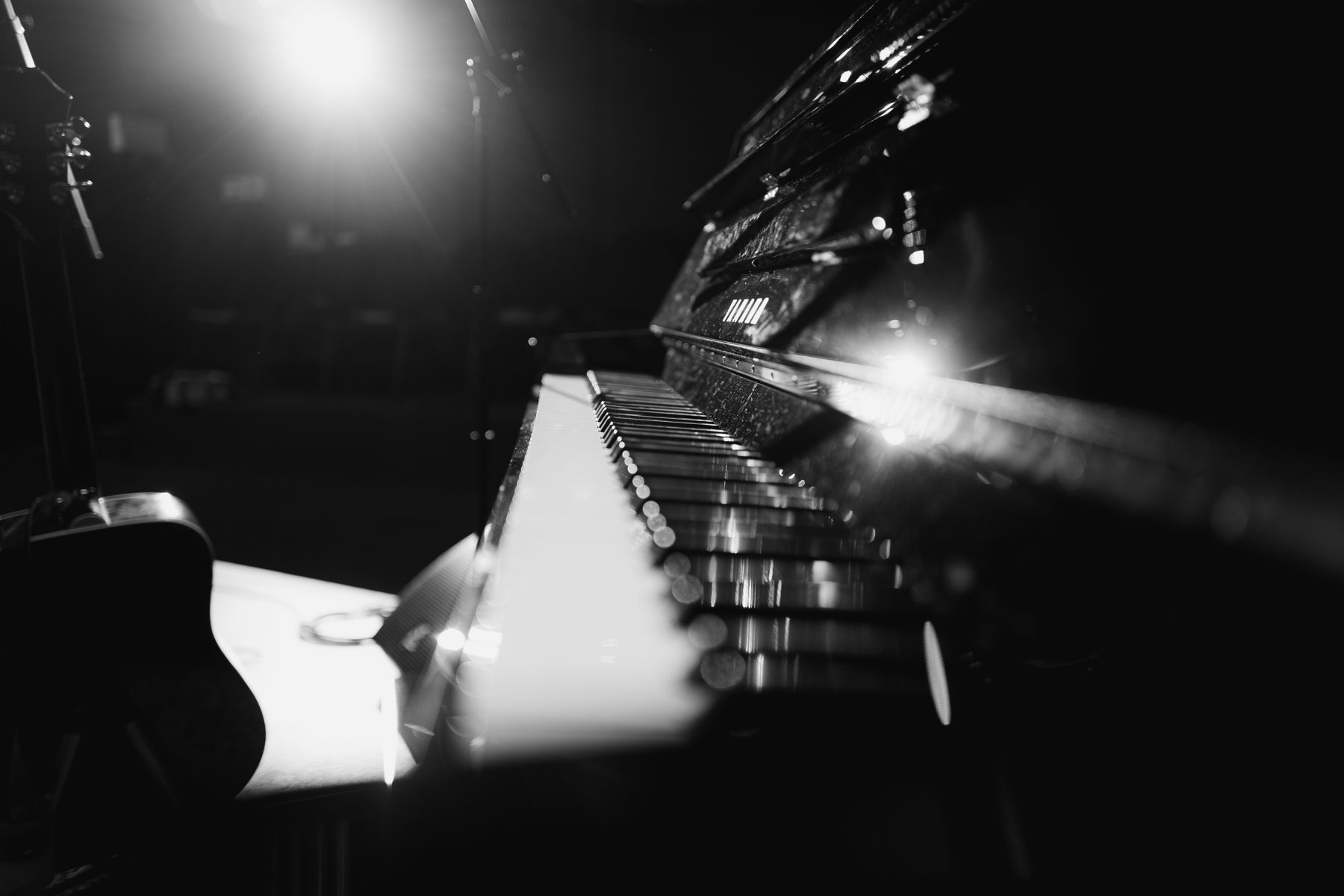
Piano
Took Everything in Its Right Place
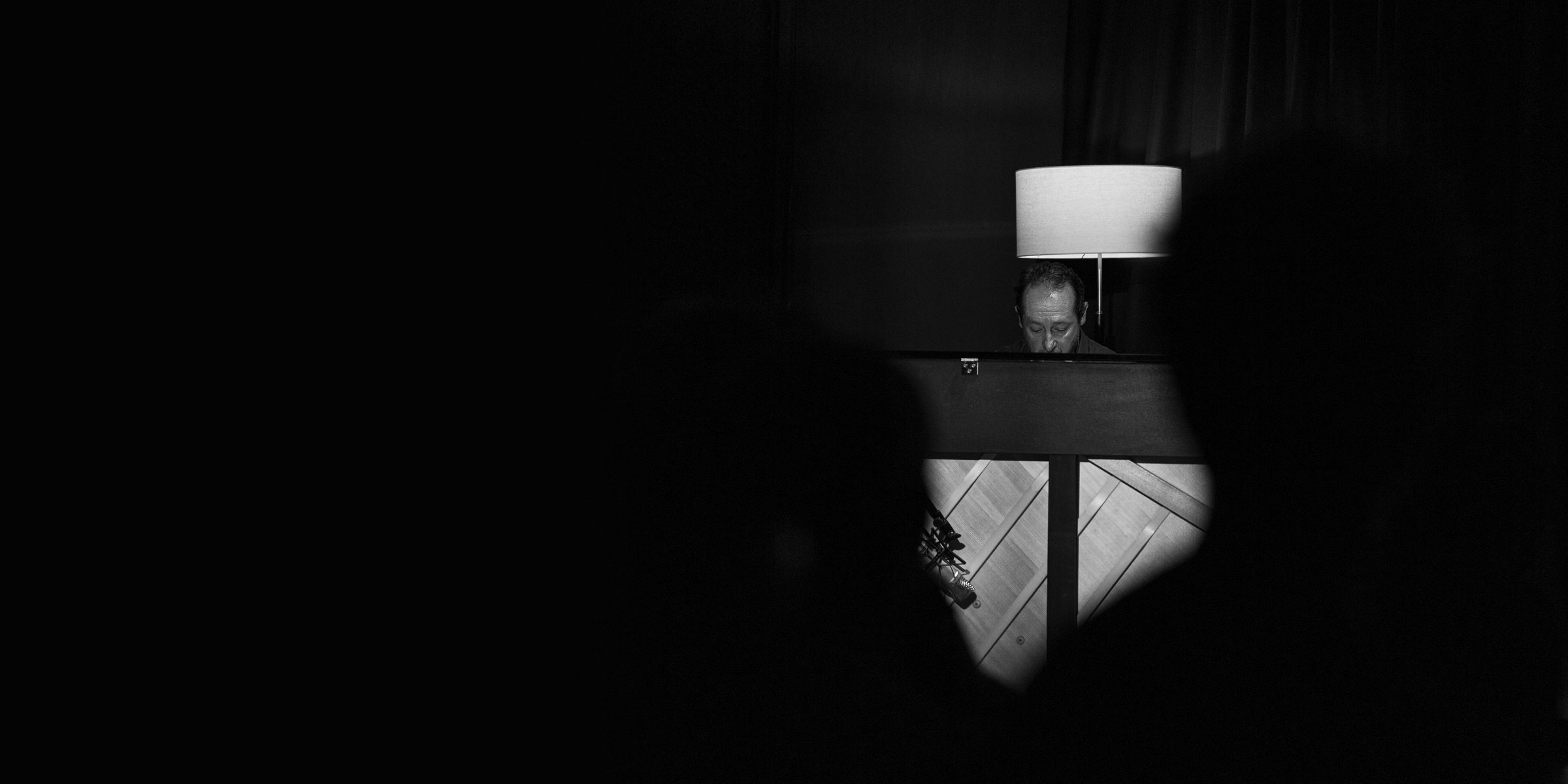
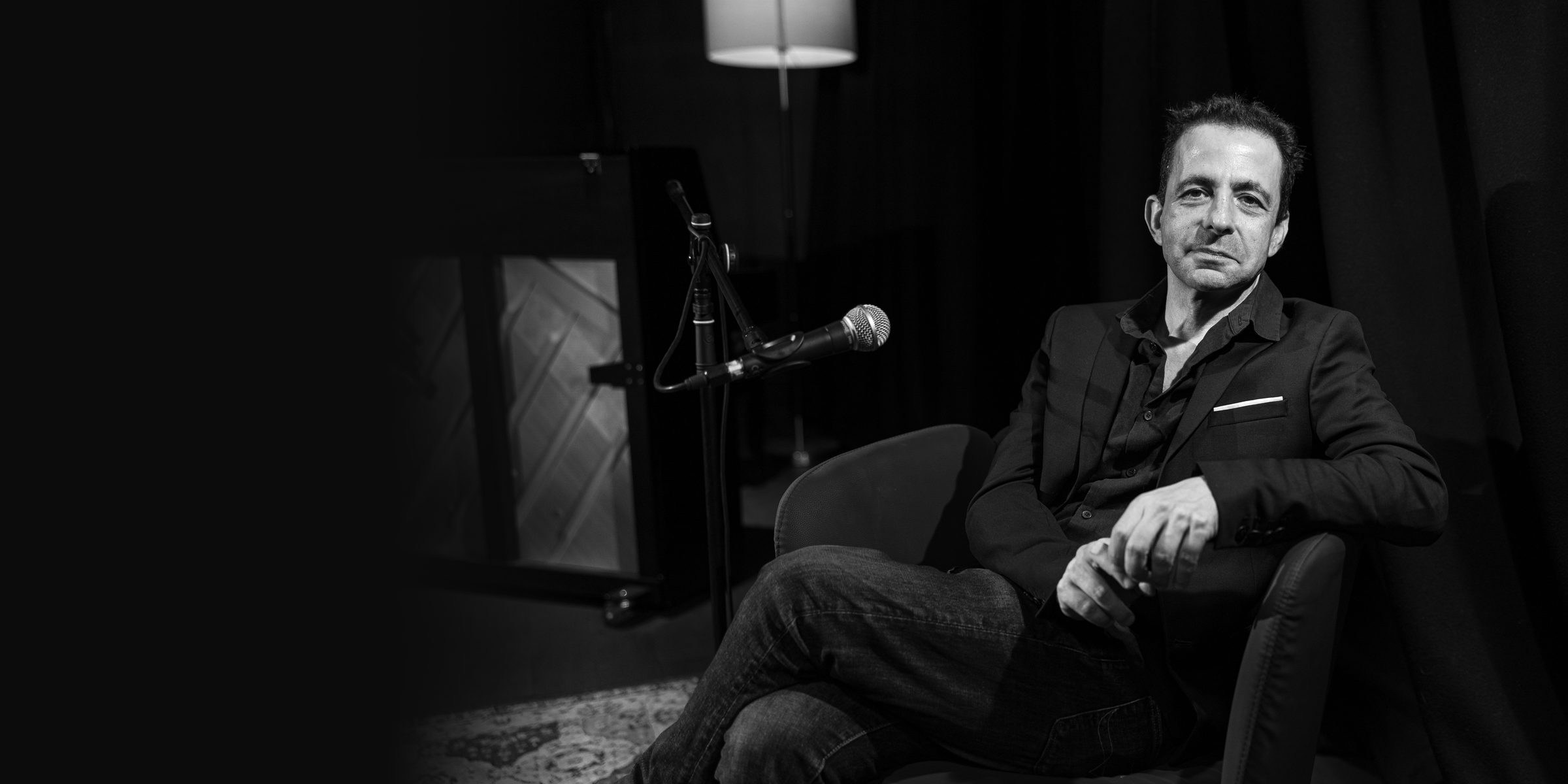
One track from Kid A, taken to the piano — explored, interrupted, pulled apart and played back. He had chosen it months earlier and told nobody which; on the night it turned out to be the first one, Everything in Its Right Place. Chad Lelong is a virtuoso jazz pianist and one half of The Seat With The Clearest View, the Bowie record he made with Oliver Darley — the night that sold this room out in June. Fitting, too: the band who made Kid A were listening to Bitches Brew, to Mingus and to Alice Coltrane rather than to rock records, which is where the horns on The National Anthem come from. Chad and Oliver are back in this room through the autumn with SIMPLY — four Friday songbooks, one voice and one piano.
SIMPLY · Oliver Darley & Chad Lelong →


Ten paintings, one a track — for fifty minutes the screen was the only light in the room. Artwork Stanley Donwood & Dr Tchock.
Next issue · Nº.004Pink Moon — Nick DrakeTuesday 3rd November · £22 · 55 seats →Researched October 2026. Spot something wrong? Tell us at hello@circleandstar.com.